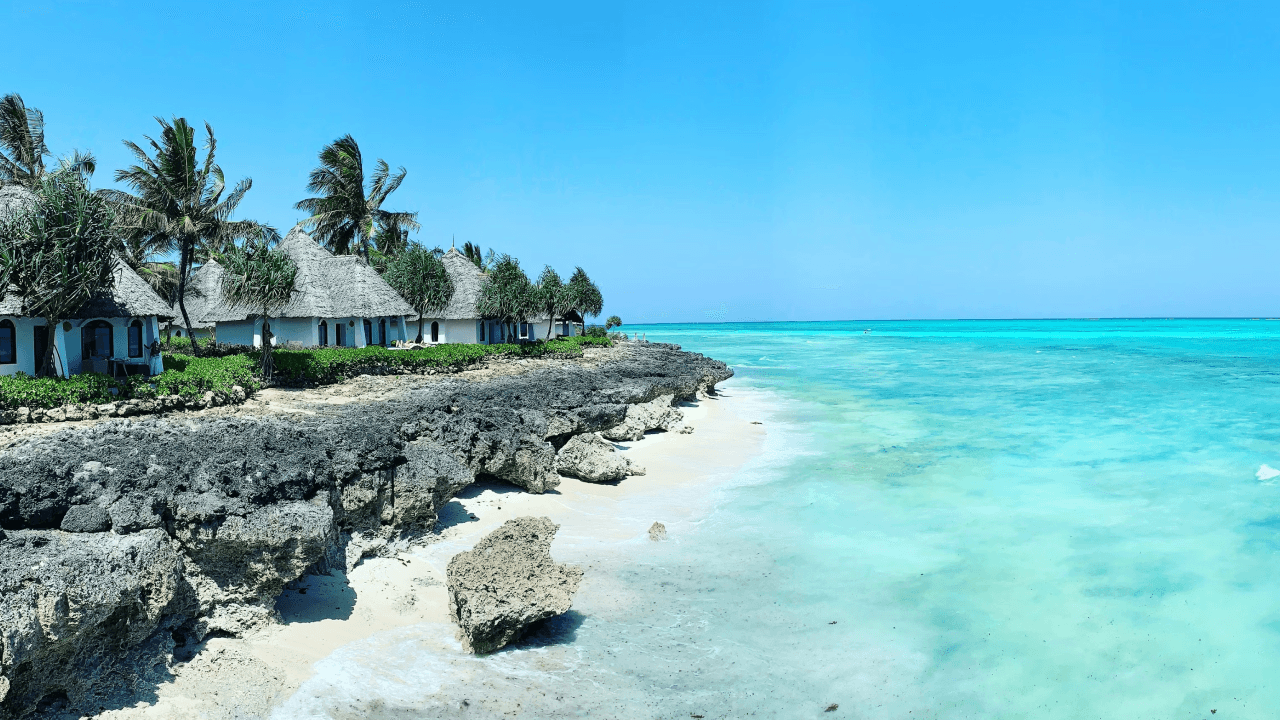
Thinking about investing in Zanzibar’s property market? You’re not alone. This tropical archipelago is drawing international investors and retirees with its idyllic beaches, growth potential, and unique property ownership structure. But buying real estate abroad can raise many questions. Below, we’ve compiled the top 10 questions (with answers) that foreigners ask about purchasing property in Zanzibar. Each answer is packed with insights and links to more detailed guides on our site for deeper reading.
1. Can foreigners buy property in Zanzibar?
Yes, foreign buyers can invest in Zanzibar real estate, but not in the same freehold way you might at home. All land in Zanzibar is owned by the government, so non-citizens cannot buy land outright. Instead, foreigners purchase property under a long-term lease (up to 99 years) granted by the government. In practice, this means you either:
- Buy within an approved development (condominium or gated project) – The 2010 Condominium Act allows foreigners to acquire individual units (villas, apartments) with a title deed and a 99-year lease registered in your name. This is the simplest route: you get a property title (leasehold) almost equivalent to ownership, and you don’t need to form a local company.
- Buy a standalone property via a local company (SPV) – If you want a private villa on its own plot, you would establish a Zanzibar-registered company to hold the land lease on your behalf. The company (which can be 100% foreign-owned in approved real estate projects) obtains the 99-year “Right of Occupancy” lease from the government, and you own the company’s shares. This route involves meeting certain investment thresholds (e.g. ZIPA requires a $300k minimum for most projects), but it gives flexibility if you plan to develop land or have partners.
All foreign purchases must go through the Zanzibar Investment Promotion Authority (ZIPA) for approval. ZIPA will issue a “no objection” certificate for your purchase, and then the Land Commission will register the lease to finalize your ownership rights. Once those steps are done, you essentially enjoy ownership-like rights over the property for the lease period – you can live there, rent it out, resell it, or pass it to your heirs, just as a local owner could. (See Question 2 on the security of leases.) In summary, foreigners can buy property in Zanzibar, but via leasehold titles in approved projects or structures – a system designed to protect Zanzibar’s land while still welcoming international investors. (For a deeper dive, read our [Foreign Buyer’s Guide to Zanzibar Property](https://www.vela-zanzibar.com/blog/buying-property-in-zanzibar-foreigners-guide) covering legal structures.)
2. How secure is a 99-year lease in Zanzibar?
A 99-year lease in Zanzibar is very secure – almost like freehold ownership in practice. While you don’t own the land outright (the government remains the landlord), a long-term lease gives you exclusive rights to use, rent, sell, and even bequeath the property just as if you owned it. Here’s why it’s safe and what it entails:
- Registered Title: Whether you buy a condo unit or a leased plot, your interest is registered on title at the Land Registry. You receive an official title deed (for a condo, a Unit Title; for land or villa, a Government Lease agreement) in your name, embossed and legally enforceable. This provides near-freehold security of tenure – meaning your rights are very much like ownership for the duration of the lease. You can mortgage the property, collect rental income, sell it, or leave it to your heirs, and the law backs those rights.
- 99 Years & Renewal: The standard lease term for foreign-held property is 99 years, often structured as initial 33-year periods that are renewable. Importantly, leases in Zanzibar are explicitly renewable on the same original terms. In practice, when your lease period nears expiry decades from now, you can apply to renew it (the current norm is extending in 33-year increments) for a modest administrative fee. Essentially, keep paying the token ground rent and follow the renewal process, and you can extend your lease indefinitely – much like renewing a passport or any long-term license.
- Legal Protection: Zanzibar’s laws protect leaseholders. The constitution and Land Tenure Act prohibit arbitrary seizure of property. In fact, Zanzibar is considered one of the most politically stable and safe investment destinations in Africa. The government cannot simply take your leased property without due cause and compensation. If ever land needed to be repossessed for public use (which is rare), the law requires fair market compensation to the leaseholder. This legal framework gives foreign investors confidence that their long-term rights will be respected.
In summary, a 99-year lease in Zanzibar is about as secure as it gets for foreign property ownership. You have legal certainty and longevity – nearly a century of rights, with renewal options to keep it going. Many other tropical destinations don’t offer foreigners anywhere near that length of tenure. Zanzibar’s system has been specifically set up to give outsiders a secure stake: you get the benefit of owning property on the island without owning the land itself. With proper due diligence and compliance (see Question 8 on investment safety), you can feel confident that your leasehold property is a solid asset for the long run.
3. What returns can I expect from rentals in Zanzibar?
One of the big attractions of Zanzibar real estate is the potential for strong rental returns. If you plan to rent out your villa or apartment (for example, to tourists, digital nomads, or expats), you can expect healthy yields thanks to growing demand. Here’s what the numbers look like:
- High Rental Yields: Well-managed short-term vacation rentals in Zanzibar’s hot spots (think beach areas like Paje, Nungwi, Jambiani, etc.) typically see gross yields around 14–18% per year. After expenses and management fees, net rental yields often fall in the low double-digits – roughly 13% up to 20%+ in strong cases. For instance, in Paje (on the popular southeast coast), ROI simulations show net yields ranging from about 13% (at lower occupancy) to as high as 23% in best-case scenarios. These are significantly higher returns than many mature resort markets, reflecting Zanzibar’s rising tourism wave.
- Occupancy Rates: Zanzibar enjoys two peak tourist seasons (roughly June–Oct and Dec–Feb), and occupancy during those periods can exceed 80–90% in many rentals. Averaged over a full year (including slower months), you might see 50–70% average occupancy for a well-marketed property. In practical terms, owners often achieve 85%+ occupancy in high season and around 50% in low season, which balances out to solid year-round income. A mix of holiday tourists in peak months and longer-stay remote workers in off-peak months can push annual occupancy toward the higher end (e.g. \~68% or more).
- Rental Income Figures: To give an idea, a one-bedroom beachfront condo might net $15k–$25k per year after costs at moderate occupancy, whereas a larger villa could net $40k+ per year in rental income at high occupancy. These figures depend on property type, nightly rates, and management efficiency, but double-digit cash-on-cash returns are attainable with professional rental management. Many investors see payback periods of just 5–7 years from rental income alone, which is quite fast.
- Capital Appreciation: Beyond rental yields, Zanzibar properties have been appreciating in value. Limited supply of quality developments and steadily rising demand have led to price increases. Recent market research shows property values trending up \~10–15% per year in popular areas. Over a 4-year period, mid-case scenarios showed around +57% appreciation in some developments. So, you’re not only earning income but also growing your equity over time. (Of course, past performance isn’t a guarantee, but current trends are positive.)
Overall, rental properties in Zanzibar can deliver robust returns. Tourism is booming (international arrivals hit \~730,000 in 2024, about a 60% increase in five years), which keeps rental demand high. Hotels often run at 75–90% occupancy in peak season, and well-positioned Airbnb-style rentals can tap into this overflow. By partnering with a good local property manager or rental program, investors are seeing attractive rental yields that outshine many other markets. (For more detailed projections and case studies, check out our [Invest in Zanzibar](https://www.vela-zanzibar.com/invest-in-zanzibar) page, which breaks down typical yields by property type and scenario.)
4. What is the process for buying property in Zanzibar?
The buying process in Zanzibar is straightforward but does involve some unique steps (like government approvals). Generally, you should expect around 2–3 months timeline from offer to completion for a simple transaction. Here’s an overview of the key steps in order:
- Reserve the Property & Pay Deposit: Once you agree on a price with the seller or developer, you’ll sign a reservation agreement or Offer to Purchase. It’s standard to pay a 10% good-faith deposit at this stage. This deposit is usually held in escrow (often in your lawyer’s client account) while due diligence is conducted, showing the seller you’re committed.
- Hire a Lawyer & Do Due Diligence: Engage a licensed Zanzibar advocate (attorney) to handle the conveyance. They will perform thorough title searches at the Land Registry and Lands Commission to verify the seller’s ownership/lease rights, check for any outstanding land rent or liens, and ensure the property is in good legal standing. (Skipping this step is asking for trouble – always do it!). The lawyer will also double-check zoning (to ensure, for example, the land is approved for residential or rental use, not agricultural).
- Sign the Sale Agreement: After due diligence comes back clean, your lawyer drafts a Sale and Purchase Agreement (bilingual in English and Swahili) that outlines the terms: final price, payment schedule, and documents the seller must provide. Both parties sign this contract in front of a notary. At this point, your 10% deposit typically becomes non-refundable (except in rare cases of major title defects). This is essentially the point of no return for the buyer and seller – the deal is formally on.
- Obtain ZIPA Approval: This is a critical step unique to Zanzibar. Every foreign buyer must get approval from the Zanzibar Investment Promotion Authority (ZIPA) for the purchase. Your lawyer will submit an application to ZIPA including the signed sale agreement, your passport and contacts, a proof-of funds/bank statement, and if you’re using a company, the business plan. Don’t worry – this is routine for approved real estate projects, and if all paperwork is in order, ZIPA typically issues a “No Objection Certificate” within a few weeks. (Many developments in Zanzibar are pre-approved by ZIPA, so it’s usually a formality for individual unit purchases.)
- Pay Taxes and Fees: Once ZIPA clearance is in, you’ll need to pay the government transfer fees before the property can be registered in your name. These include the Stamp Duty (1% of the price) and a Transfer Tax (ranging 1–5%, with \~2–3% common), plus a small registration fee (\~0.25%). Your lawyer will obtain the payment slips (“control numbers”) from the revenue board and pay these on your behalf. (We’ll detail costs in Question 5.) If you’re financing the purchase, the bank will usually coordinate their part at this stage too.
- Registration & Title Transfer: With the taxes paid and ZIPA’s no-objection letter in hand, the final step is to register the 99-year lease/title deed in your name. The lawyer lodges all documents with the Zanzibar Land Commission and the Business & Property Registration Agency (BPRA). For a condo unit, you’ll get an individual Unit Title issued; for a villa or land, you’ll get a Government Lease document – both are equivalent in granting you rights up to 99 years. The title deed will be stamped and signed – congratulations, you are now the official leasehold owner! At this point, the balance of the purchase price is released to the seller as per your agreement, and you can take possession of the property.
(Optional Step: If your investment is ≥ $100,000, you can also apply for Zanzibar’s **Golden Visa** residency after closing – see Question 7 for details on this.)
Typically, the whole process is quite streamlined. Most purchases close within roughly 90 days. In fact, buying an existing (resale) condo can sometimes be done in 60–75 days if everything is in order. Off-plan purchases or standalone plots might take a bit longer (up to 3–4 months) due to extra paperwork. The key is working with an experienced local lawyer and reputable agents/developers who know the ropes. They will guide you through ZIPA and all the bureaucratic steps so there are no surprises. (For a more detailed step-by-step explanation, see our blog post on the foreign buying process, which breaks down each stage.)
5. What taxes and fees are involved when buying property?
When budgeting for your Zanzibar property purchase, you’ll need to account for a handful of taxes and closing fees (on top of the agreed property price). The good news is that transaction costs in Zanzibar are relatively low compared to many countries, and there are no hidden “foreigner” penalties. Here are the main costs to expect:
- Stamp Duty – 1%: This is a government tax on the property’s value, set by national law. It’s a flat 1% of the declared purchase price on every sale or long-term lease registration. Your lawyer will pay this to the Zanzibar Revenue Board when lodging the transfer.
- Transfer Tax – typically \~2%: Local authorities charge a transfer (registration) tax on property transactions. Legally it can range from 1% up to 5%, depending on the district. In practice most areas use around 2–3% – our calculations usually assume \~2%. (For instance, in the table in our guide, a $150k property had a $3k transfer tax = 2%.) This goes to the local municipality/district.
- Registration Fee – \~0.25%: The Business and Property Registration Agency (BPRA) charges a small fee to register the new title in your name, usually about 0.25% of the price (a quarter of a percent). It’s essentially an admin fee.
- Legal Fees – \~1–2%: You’ll pay your advocate (lawyer) for handling the deal. By law there’s a scale, and it typically comes out around 1% of the price for simple deals (like a condo) up to 2% for complex transactions. You should discuss and agree the fee upfront with your lawyer. Notary fees are generally included in this.
- Agent Commission – \~5% (if applicable): If an agent or broker was involved in finding the property, the standard commission is 5% of the purchase price in Zanzibar. Often this is split between a buyer’s agent and seller’s agent. In many cases, the seller covers the commission, but in private sales you might negotiate who pays. Clarify this in advance. (If you’re buying directly from a developer, usually there’s no agent fee.)
- Total Closing Costs: In total, expect your one-time closing costs (taxes + fees, excluding any agent commission) to be roughly 4% to 7% of the purchase price. The exact percentage depends on the district’s transfer tax rate and your lawyer’s fee. For example, if you bought a $200,000 property, you might pay around $8k–$14k in combined taxes and fees at closing. This is relatively modest by international standards.
- Annual Charges: After purchase, there are a couple of recurring charges: Ground Rent and Property Tax. All foreign-owned leases owe an annual ground rent to the government – currently $0.35 per square meter of land in urban areas. This is very low (e.g. a 400 m² plot is $140/year) and is basically a symbolic rent. Additionally, Zanzibar introduced a flat Property Tax of $22 per year per dwelling (yes, just twenty-two dollars). Both are billed together, typically due each June. So carrying costs for property are minimal (aside from any community service charges if in a development).
Bottom line: Budget roughly an extra \~5% on top of your purchase price for all the required taxes and fees. Zanzibar’s closing costs are quite investor-friendly (e.g., no exorbitant stamp duties or foreign buyer surcharges). Plus, as an investor you benefit from other incentives – for instance, there’s no capital gains tax on the first 50% of any gain (effectively halving your CGT on sale), and no VAT on real estate sales or rental income for ZIPA-approved properties. And if you ever sell, you can repatriate your proceeds freely (no currency controls). Overall, the cost structure is transparent and favorable for buyers. (For a detailed breakdown of costs with examples, see our [Closing Cost Guide](https://www.vela-zanzibar.com/blog/buying-property-in-zanzibar-foreigners-guide) on the blog.)
6. Can I get financing or a mortgage as a foreign buyer in Zanzibar?
Yes, mortgages are available in Zanzibar for foreigners, though many buyers opt to pay cash or use alternative financing due to local loan conditions. Here’s what to know about financing:
- Local Bank Mortgages: Several banks in Tanzania/Zanzibar – CRDB, NMB, KCB, Stanbic, etc. – do lend to property buyers, including non-residents. Almost all home loans here are given in Tanzanian Shillings (TSh), not foreign currency. Interest rates are relatively high by international standards: currently around 14%–17% annual interest for shilling mortgages. The central bank reports average lending rates in the mid-15% range, so you should budget for mid-teens interest rates on a local loan. Some banks may offer USD-denominated loans to diaspora or foreign investors, with rates a couple points lower (say \~12%), but those are less common and shift currency risk onto you.
- Down Payment and LTV: Don’t expect to finance the whole purchase. While banks advertise up to 80–90% Loan-to-Value, in reality foreign buyers are usually capped around 60–70% LTV. That means you should plan to put roughly 30–40% cash down. If you have a local residency permit or a Tanzanian co-borrower, you might access higher LTVs, but generally a sizable down payment is required for non-residents. The bank will also require that you have the ZIPA approval and the 99-year lease registered in your name (or happening simultaneously) before they release funds.
- Loan Requirements: To get a mortgage, you’ll need to document your income and ability to repay (banks often cap loans so that monthly payments are no more than \~50% of your net income). You’ll also need property insurance in place (fire insurance is mandatory). Having the new Golden Visa residency can help slightly, but it’s not required – plenty of non-resident foreigners have financed purchases. The process can be a bit paperwork-heavy, but local banks are becoming familiar with foreign investors these days.
- Developer or Alternate Financing: Given the high interest rates, many overseas buyers either pay cash or use developer financing plans. Many Zanzibar developers (including us) offer installment plans such as 0% interest for 12–18 months with a 40% down payment. For example, you might pay 30-40% upfront, get the keys, and then pay the remainder over a year or two, which can then be refinanced or paid off as you earn rental income. This can be a great bridge: essentially, the developer finances you interest-free short-term, and you avoid or delay taking a bank loan. Another common approach is to finance the property by borrowing against assets or property in your home country at lower interest, then using that to buy in Zanzibar outright.
In summary: Foreigners can get mortgages in Zanzibar, but you’ll face higher interest rates (around 15%) and lower LTVs (60-70%) than you might at home. Many investors therefore leverage cash or short-term financing options. That said, if you can handle \~30% down and are comfortable with mid-teen interest, local banks will work with you – and rental yields here, often above 10%, help offset the financing cost. Always compare your options and perhaps get pre-qualified with a bank to understand your budget. (See our guide on financing for more details and a list of banks active in this space.)
7. Does buying property in Zanzibar give me residency or a “Golden Visa”?
Yes – investing in Zanzibar real estate can qualify you for a residency permit, often referred to as Zanzibar’s “Golden Visa.” This program was introduced in 2021 to encourage foreign investment. While it’s not a citizenship or passport, it grants you the right to live in Zanzibar (and Tanzania) with some excellent perks. Here are the key points:
- Minimum Investment: To qualify, you need to invest at least $100,000 USD in one property in Zanzibar. The property must be in a ZIPA-approved development (which most new projects catering to foreigners are). You can’t just combine smaller purchases – it has to be a single property meeting the threshold. Most villas, condos, and townhouses in developments will qualify given this price point.
- Who’s Covered: The residency permit (Class C, sub-class C-11) covers you as the primary investor, your spouse, and up to 4 dependent children under 18. (Some sources say up to 6 dependents, but officially it’s 4 children.) This means your immediate family can all live in Zanzibar under your investment permit – a great benefit for retirees or those moving with family.
- Validity and Renewal: The “Golden Visa” residence permit is valid for 2 years at a time and is indefinitely renewable, as long as you retain ownership of the property. There’s no limit to how many times you can renew – effectively, you can keep living in Zanzibar for as many years as you want, by maintaining the investment. If you sell the property, the permit terminates (unless you reinvest in another qualifying property). The cost is about $500 for the main applicant and $50 for each dependent for each 2-year period (East African citizens pay less). Renewal is straightforward – basically just re-confirm you still own the property and pay the fee every two years.
- Residency Benefits: Holding this permit makes living in Zanzibar much easier:
- You can stay in Zanzibar (and Tanzania) year-round without any other visa. No more short tourist visas or visa runs.
- You can open local bank accounts, sign up for utilities, get a local driver’s license, and even get resident rates on domestic flights and parks. Essentially, you’re treated as a resident of Zanzibar.
- Tax perks: This is a big one. As a Class C resident, foreign-sourced income is 100% tax-free in Zanzibar. Only income you earn within Tanzania/Zanzibar is taxable, and even that is at a flat 15% rate cap (instead of the normal 30%). For many investors who have income from abroad or plan to work remotely, this can mean significant tax savings. Additionally, if you later sell the property, your capital gains tax is cut in half – effectively you pay 5% on only half the gain (so an effective 2.5% tax on the sale). And any rental income you earn from your Zanzibar property is exempt from VAT, making rental business more profitable.
- Note: This residency is a “stay permit” – it doesn’t give you a passport or citizenship, and it doesn’t automatically allow you to work a local job (you’d still need a work permit for employment). But you can own and run your own business under it and, of course, enjoy your life on the islands.
- Application Process: After you’ve purchased the property (and have your title in hand), you apply through ZIPA and the immigration department’s One-Stop Center. You’ll need to provide documents like your title deed, a letter from ZIPA confirming the investment, your passport and police clearance, etc.. The process takes a few weeks on average. Many developers (including us) assist buyers with the Golden Visa application as a service.
In summary, buying property in Zanzibar can indeed come with a residency privilege. This “Golden Visa” essentially turns your real estate purchase into a gateway to living in Zanzibar long-term. It’s a fantastic option for retirees dreaming of an island home, digital nomads who want a base in paradise, or anyone planning to spend significant time here. You get a tropical lifestyle and a lenient tax regime in one package. (For more details on requirements and benefits, see our dedicated section on Zanzibar’s Golden Visa in the Foreign Buyer’s Guide.)
8. How safe is my investment in Zanzibar real estate?
It’s wise to ask about safety and stability when investing abroad. Zanzibar is generally a safe and stable place to invest, both in terms of personal safety and financial/legal security. Here’s why:
- Political & Economic Stability: Zanzibar (which is a semi-autonomous part of Tanzania) has enjoyed a long period of political stability. It’s often cited as one of the safest African destinations for investors and travelers. The government is stable, and there’s a strong push to attract foreign investment. Unlike some markets with volatile policies, Zanzibar has been consistently opening up to investors, not clamping down. For example, recent reforms have made foreign property ownership easier (99-year leases, streamlined approvals, introduction of the Golden Visa, etc., signaling an investor-friendly climate).
- Legal Protections for Investors: Your property rights as a leaseholder are protected by law. The Land Tenure Act and Zanzibar’s Constitution prohibit the unjust taking of property. Practically, that means no one can just seize your property as long as you obtained it legally and follow the rules (paying ground rent, etc.). In the extremely unlikely scenario of a government acquisition (say for a public project), the law mandates compensation at market value. Furthermore, all foreign purchases go through official channels (ZIPA and the Land Commission), which adds layers of validation and security to your title. If you have a ZIPA-backed 99-year lease registered in your name, you have a very secure interest.
- Investor-Friendly Policies: Zanzibar has put in place incentives to encourage and protect investors. For instance, low transaction taxes (as discussed in Q5), freedom to repatriate profits and sales proceeds without restriction, and tax breaks for those with residency status. The government wants you to succeed because it boosts the local economy. There are also no foreign exchange controls impeding you from bringing money in or out for your investment.
- Due Diligence is Key: As with any real estate market, the main risks lie in choosing the right property and doing proper due diligence. Zanzibar’s rapid development has seen a few inexperienced or unscrupulous operators – so you want to buy from reputable developers or sellers. Always use a qualified lawyer to verify title, ensure the property is in an approved zone (remember, foreigners should only buy in ZIPA-sanctioned projects or via the condo law), and that all permits (like environmental clearances for beachfront properties) are in place. The good news is that these checks are now routine. Also consider factors like insurance (Zanzibar is generally safe from extreme weather, but getting fire, flood, and cyclone insurance is a smart move for peace of mind).
- Track Record: Thousands of foreigners have successfully purchased in Zanzibar over the last decade, with no incidents of expropriation or loss of property when the proper procedures are followed. Developments like Fumba Town, for example, have delivered hundreds of titles to foreign buyers. Major international hotel brands and investors are also putting money into Zanzibar – a vote of confidence in the investment climate.
In short, your investment is safe as long as you play by the rules. Choose a good project, use legal counsel, and comply with the straightforward regulations, and you’ll find Zanzibar to be a welcoming and secure place for real estate investment. The combination of government support, legal safeguards, and strong market fundamentals makes it a relatively low-risk, high-reward environment for savvy investors. (For a detailed discussion on risk mitigation and the legal framework, see our article on “Common Mistakes & Pro Tips” for Zanzibar buyers.)
9. Can I resell or transfer my property in the future (and take money out)?
Yes, absolutely. The property you purchase in Zanzibar (with its leasehold title) can be resold or transferred to another buyer at any time, whether that buyer is a local or another foreigner. In essence, your 99-year lease is a transferable asset. Here’s how it works and what to expect:
- Resale Process: Selling your Zanzibar property is similar to selling anywhere else, with a few added steps. You find a buyer, agree on price, and then both of you (through lawyers) will apply for ZIPA approval for the transfer (since the new foreign owner also needs a no-objection certificate). The property doesn’t “lose” any lease term upon transfer – the new buyer steps into your shoes for the remaining years of the lease. For example, if you owned it for 5 years, the buyer gets a 94-year remaining lease, and it stays renewable. In many cases, the authorities will actually re-issue a fresh 99-year term to the new buyer (especially for condo units) to keep things simple. Resale of condo units is very straightforward – it’s a paper transfer of the unit title to the new owner, with government registration of the change. For standalone properties (with a company SPV), you might either sell the company’s shares or transfer the lease; both methods are used.
- Taxes on Sale: When you sell, the buyer will typically pay the stamp duty and transfer tax on the transaction (just like you did when buying). As the seller, if you made a capital gain, Tanzania/Zanzibar does impose a capital gains tax (CGT). However, for properties under the investment program, there’s a 50% reduction on CGT – effectively you pay tax on only half the gain. In practice, that comes to an effective 5% tax on the sale profit for the seller (since normal CGT is 10%). This will be handled by your lawyer at closing. There’s no other “exit tax” or penalty for foreigners selling.
- Repatriating Funds: You are free to repatriate your sales proceeds and profits abroad after selling. Zanzibar has no restrictions on transferring your money out of the country from a property sale, as long as you’ve paid any due taxes. Typically, the buyer will pay you in a foreign currency (often USD) to your overseas account or to a local account from which you can wire it out. The Central Bank and ZIPA place no limits on profit repatriation for approved investments, which is a huge plus (some countries require funds to stay or have waiting periods – not the case here).
- Market Liquidity: The property market in Zanzibar is growing in liquidity. While it’s not as liquid as a major city, demand is on the upswing, especially for quality properties with good rental track records. We’ve seen an influx of buyers from Europe, South Africa, the Middle East, and the Tanzanian diaspora looking for homes in Zanzibar. So, if you decide to sell in a few years, there’s a good chance of finding buyers given the ongoing tourism and investment boom. Engaging a reputable local real estate agent or the developer’s sales team (if it’s within a project) can help in securing a sale at a good price.
- Inheritance: If you want to pass the property to heirs, that’s also straightforward. Zanzibar recognizes the right to bequeath leasehold property to your heirs in your will, regardless of their nationality. The heirs would then step into ownership under the same lease. It’s wise to have a will that covers your Zanzibar asset to make the transfer smooth for your beneficiaries.
In summary, you can exit your Zanzibar property investment whenever you choose. The mechanism is in place for a foreigner-to-foreigner resale or a sale to a local. You’ll go through the same legal transfer process (with ZIPA and Land Commission) as when you bought, just in reverse roles. Crucially, you can take your money (and profit) out freely, which gives peace of mind that you’re not locking your funds into an illiquid market. Many investors view Zanzibar property as a medium-term hold with strong income, knowing they can liquidate in the future if needed. (For tips on selling property in Zanzibar and current market trends, see our Zanzibar Market Outlook report.)
10. Do I need to be in Zanzibar to purchase property, or can I buy remotely?
You do not necessarily have to be on the island to complete a property purchase – many buyers handle most steps remotely. However, a short visit can be helpful (and enjoyable!) either at the viewing stage or for final formalities. Here’s how remote purchasing works:
- Using Power of Attorney (POA): You can authorize your Zanzibar-based lawyer (advocate) to act on your behalf for signing documents like the Sale Agreement and even the transfer deed. This is done by granting a Power of Attorney, which can be prepared by your lawyer. You’d typically sign the POA, have it notarized in your home country or at a Tanzanian embassy/consulate, and then send it to Zanzibar. With a POA, your lawyer can represent you in all official matters so you don’t have to be physically present for every signature.
- Notarization and Verification: Even if you don’t visit, you will need to provide some notarized documents. For instance, notarized copies of your passport and perhaps a notarized signature on the transfer documents are required. These can often be done at a Tanzanian consulate or by a notary public plus an apostille, depending on what the Zanzibar authorities require. It’s a way to verify your identity and consent from abroad.
- Remote Closing: Many foreign buyers only fly in once – often for the closing or to inspect the finished property. It’s possible to do everything via courier and email: contracts can be emailed, you sign and courier them back; payments can be wired from your home bank; and your lawyer lodges all papers. In fact, some buyers never set foot in Zanzibar until after they own the property. That said, we do recommend visiting if you can – not just to sign papers, but to see the location, meet the developer or seller, and get a feel for the island. It also helps to appear before a local notary at closing if possible (though not strictly required, it can simplify a few things).
- After Purchase Formalities: Things like applying for the Golden Visa residency can also be done without you physically there – your lawyer or an agent can submit documents on your behalf, and the residency cards can be picked up for you and sent to you or collected when you next arrive. Opening a local bank account might wait until you’re in Zanzibar (banks like to see you in person to open accounts, though some allow remote opening with the right introductions).
In summary, buying remotely is quite feasible. Zanzibar’s property system, especially in developments catering to foreigners, is used to dealing with overseas clients. Communication is typically via email/WhatsApp and documents via DHL. Just ensure you engage a trustworthy local lawyer. They will be your eyes, ears, and representative on the ground. With the right prep, you might only need to come to Zanzibar to enjoy your new home once it’s yours, rather than to handle paperwork.
Ready to take the next step? Buying real estate in Zanzibar might seem complex, but with the answers above, you’re equipped with the essentials. From 99-year lease security to tropical rental yields, and from Golden Visa perks to the nuts and bolts of the process, Zanzibar offers a rewarding investment landscape. If you have more questions or want personalized guidance, feel free to reach out to our team. We’re here to help turn your island real estate dreams into reality, hassle-free. Here’s to making that Zanzibar paradise home a reality!

