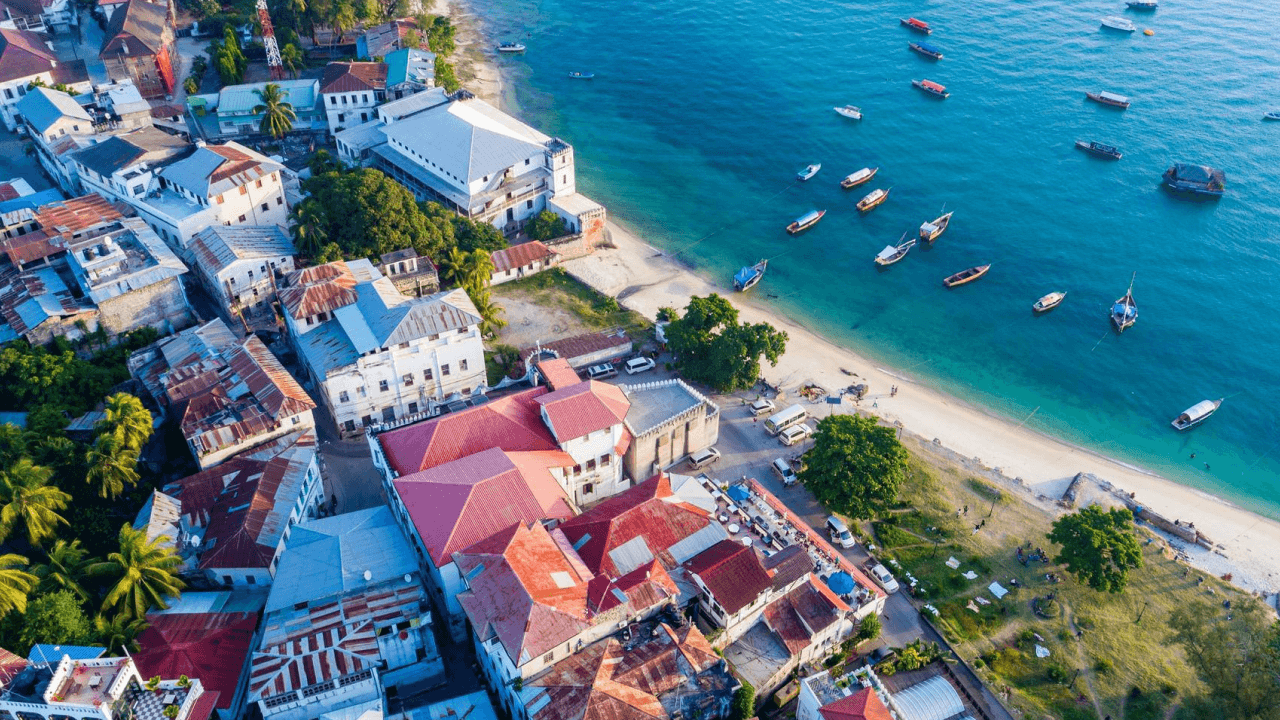
Investing in Zanzibar real estate can feel like a dream come true – turquoise waters, white-sand beaches, and the promise of rental income or a personal slice of paradise. However, buying property in Zanzibar as a foreigner comes with unique rules and potential pitfalls that can turn that dream into a costly mistake if you’re not careful. The good news is that with a bit of due diligence and the right guidance, you can safely navigate the process and steer clear of common errors. Below, we outline the top five mistakes to avoid when purchasing property in Zanzibar, along with tips on how to avoid each one. By sidestepping these pitfalls, you’ll be well on your way to securing an island home smoothly and legally – and positioning yourself for long-term success in Zanzibar’s property market.
Zanzibar’s idyllic beaches and tropical lifestyle attract foreign property investors. By avoiding key mistakes – from legal oversights to budgeting blunders – buyers can safely turn this island dream into a reality.
1. Failing to Confirm ZIPA Approval (Legal Purchase Eligibility)
One of the costliest mistakes foreign buyers make in Zanzibar is purchasing a property that isn’t approved by the Zanzibar Investment Promotion Authority (ZIPA). In Zanzibar, ZIPA approval is not optional – it’s a legal requirement for any foreigner buying property. In fact, every foreign purchase must go through ZIPA and obtain a “no objection” certificate before the Land Commission will register your lease. If a property is not ZIPA-approved, a foreign buyer cannot legally own it under their name – no matter what an eager seller or agent might claim. Always double-check that the property is within a government-designated structure for foreign investment (such as an approved condominium development or company lease arrangement). If you’re serious about investing, always verify that a listing is ZIPA-approved, as this ensures you’re buying under a secure legal framework designed for foreign investors. Skipping this step could leave you with no recognized ownership rights and a very expensive lesson in Zanzibar’s property laws.
How to avoid this mistake: Limit your search to developments and properties that explicitly state their ZIPA status or are marketed to foreign buyers. Ask for proof of ZIPA approval or consult directly with ZIPA or a knowledgeable attorney. Legitimate sellers will be able to show documentation or explain how the property qualifies for foreign ownership (for example, under the 2010 Condominium Act or via a ZIPA-registered company structure). Remember, Zanzibar actively welcomes foreign investment but only through the proper channels. A little upfront verification will save you from an invalid deal. If a seller suggests “creative” workarounds (like using a local proxy owner or buying without ZIPA), consider that a red flag – you should only proceed with properties that tick all the legal boxes.
2. Not Using a Reputable Lawyer or Agent
Another major pitfall is trying to navigate the Zanzibar real estate market without qualified local professionals in your corner. It can be tempting to cut costs or trust your own research, but going it alone (or with an unvetted fixer) is a recipe for trouble. Zanzibar’s property laws and procedures are unique, and not all listings are legitimate – scams do exist. For these reasons, engaging a reputable, Zanzibar-based lawyer and real estate agent is absolutely essential.
First, hire a licensed lawyer experienced in Zanzibar property transactions. Tanzanian law actually requires a local advocate to draft and attest land instruments, but beyond the legal formality, a good lawyer is your safety net. They will conduct thorough due diligence on the property: verifying the title deed and lease terms, checking for any outstanding debts, encumbrances or family disputes on the land, and confirming the ZIPA approval is genuine. An experienced attorney will also draft or review the sale contract to protect your interests, ensure proper witness signatures, and shepherd the transfer through the Land Registry. Essentially, your lawyer makes sure you’re really getting what you think you’re buying – with no nasty surprises down the line.
Secondly, work with a trustworthy real estate agent or developer. A seasoned local agent will know the market values, the reputable projects, and the paperwork maze. They can identify red flags that foreigners might miss. Critically, they’ll steer you away from dubious deals. As noted, some “too-good-to-be-true” listings may be fraudulent, or a seller might not actually have the rights to sell the property. A reputable agent will only deal in properties with clean titles and proper approvals. At the end of the day, investing in a professional team can save you from losing far more money to a bad deal. As one Zanzibar guide puts it, always work with established professionals because their local expertise and vetting will protect you in ways you can’t replicate on your own. Skipping this help is like sailing uncharted waters without a compass.
How to avoid this mistake: Do your homework to find a qualified Zanzibar lawyer (ask for referrals and check they are registered advocates) and an ethical real estate agency or developer with a proven track record. Consult with them early – even before you make any offers. Yes, there will be legal fees and agent commissions, but these are well worth it to avoid losing your entire investment or ending up in protracted legal battles. Remember the old saying: “If you think it’s expensive to hire a professional, wait until you hire an amateur.” In Zanzibar’s case, an “amateur” approach could mean unknowingly buying a property with a defective title or falling victim to a scam. Trustworthy local experts will guide you through due diligence, ensure all documents are in order, and give you peace of mind.
3. Not Budgeting for All Taxes and Fees
Focusing only on the sticker price of a Zanzibar property and neglecting the additional taxes and fees is a common rookie mistake. The purchase price is just part of the financial picture – if you fail to budget for closing costs, legal fees, and ongoing charges, you might find yourself in over your head. Don’t let hidden costs catch you by surprise.
When buying property in Zanzibar, several taxes and fees will apply on top of the agreed price. For instance, the government levies a Property Transfer Tax on transactions – typically about 4–5% of the property’s value, paid at transfer. There’s also a Stamp Duty of around 1% of the property value for registering the title. In addition, you’ll need to pay your lawyer (usually 1–2% of the property price in legal fees is standard). These upfront costs alone can add roughly 5–8% on top of the purchase price. On a $150,000 condo, for example, that’s easily an extra $7,500–$12,000 in one-time fees – significant enough to make or break your budget if you hadn’t planned for it.
Beyond the closing table, consider the ongoing costs of property ownership in Zanzibar. All land in Zanzibar is leasehold, which means you’ll owe an annual ground rent to the government as part of your lease terms. This is often a modest sum, but it’s not zero – and failure to pay it can cause issues with your lease. Additionally, if you buy within a resort or condominium, you will have monthly or annual maintenance fees (sometimes called service charges or HOA fees) for the upkeep of common areas, security, etc. (these vary by property). Even standalone villas incur maintenance, utilities, and maybe private security costs. It’s wise to set aside a reserve for these expenses. As one expert guide notes, beyond the purchase price you should factor in legal fees, government fees/taxes, and potential service charges so that you have a true picture of cost.
How to avoid this mistake: Before you even make an offer, ask for a breakdown of expected closing costs and taxes on the property. Your lawyer or agent should provide a sheet of all applicable fees (transfer tax, stamp duty, etc.) and their estimated amounts. Make sure you also inquire about the ongoing obligations: How much is the annual ground rent? What are the condominium fees? If the property is under a company structure, are there yearly business license fees or taxes? By compiling all these numbers, you can budget properly and there won’t be unpleasant surprises. A savvy investor will factor these costs into the ROI calculation as well – for example, knowing that your acquisition cost is a bit higher with taxes, or that your rental yield must account for annual fees. Bottom line: Go in financially prepared. Budget a healthy buffer for closing costs and have some contingency funds for the first year of ownership. If the numbers still make sense, you can proceed confidently, knowing you’ve covered all bases.
4. Ignoring Lease Terms and Remaining Years
Zanzibar is a leasehold market – foreign buyers do not own the land freehold, but rather obtain a long-term lease (often up to 99 years). One huge mistake is ignoring the details of that lease, especially how many years are left on it and the conditions attached. Not all leases are created equal: buying a property with, say, 92 years remaining on its lease versus one with only 20 years left are two very different propositions. Overlooking the lease term can severely impact your investment’s value and security.
Here’s what many first-timers might not realize: when you purchase an existing property (a resale) in Zanzibar, you inherit the remaining term of its lease. The lease doesn’t automatically reset to 99 years for you. The new buyer simply takes over whatever years are left on the seller’s lease. For example, if a villa was originally issued a 99-year lease in 2010 and you buy it now in 2025, about 84 years could remain – which is still great. But if you’re looking at an older property or one that was already resold a couple of times, the remaining term might be much shorter. A lease with only 30 years left before expiry is a very different scenario; its resale market value will be lower, and you’ll face a renewal process much sooner. Renewing a government lease isn’t automatic – it requires an application, potentially additional investment or fees, and government approval, all of which carry uncertainty. If a lease term is nearing its end, it may not be as valuable or secure as you might think. One risk is that renewing a lease can involve complex bureaucracy and is not guaranteed; policies could change by the time you seek renewal. Banks are also less likely to finance or lend against a property with a short remaining lease, which could affect your future buyers or your ability to leverage the property.
It’s not only the length of lease that matters. Carefully review the lease conditions. Some government leases (especially those via a company investment) may come with development timelines or usage clauses (e.g. you must build something within X years or use the property for tourism purposes if it was designated as such). Make sure there are no onerous conditions you’re unknowingly agreeing to. Additionally, check if the lease is renewable and under what terms. Zanzibar generally allows renewal up to another 99 years, but usually in 33-year increments and often for a fee. Knowing these terms in advance will prevent unpleasant surprises decades down the line.
Zanzibar offers stunning properties, like this modern villa interior, under long-term lease arrangements. However, even the most beautiful home is only as secure as the lease agreement behind it. By confirming the exact years remaining on the lease and any renewal options before you buy, you can ensure your dream home remains yours for decades to come. This due diligence is part of what your lawyer should do – for example, performing a title search to verify the seller’s lease status and term on record. Don’t just take the seller’s word for it that “it’s a 99-year lease” – always see the paperwork. If the lease has significantly less than 99 years left, factor that into the price (a shorter lease term should generally reduce the price, much like a declining asset). And if you’re uncomfortable with a lease expiry date that’s within your lifetime or investment horizon, consider negotiating for the seller (or developer) to initiate a renewal before transfer if possible, or look for a different property with a longer term. The key is simply awareness: know what you’re buying in terms of leasehold, and you won’t be caught off guard.
5. Overlooking Land Use, Zoning, and Permit Restrictions
Zanzibar’s palm-fringed plots can be so enchanting that buyers sometimes forget to pay attention to the less-glamorous details of land use and zoning regulations. This is a mistake that can literally stop your project in its tracks. Different areas of Zanzibar are subject to specific land classifications (residential, agricultural, commercial, tourism, conservation, etc.) and building regulations. If you ignore these rules – or assume you can “build anything, anywhere” – you risk running into legal troubles or extra costs after purchase.
For example, a foreign buyer might spot a large inexpensive plot inland and assume it’s perfect for building rental villas. But if that land is officially zoned “agricultural”, residential or commercial development on it may be prohibited without a special permit. Zanzibar authorities will enforce zoning: building a rental villa on agriculturally zoned land can trigger a stop-work order and suspension of your project. Re-zoning land is not guaranteed and can be a lengthy bureaucratic challenge – if it’s possible at all. Likewise, Zanzibar has strict coastal conservation rules. There is a Coastal Setback Buffer Zone ranging roughly 30 to 100 meters from the high tide line on all beaches. Within this zone, no permanent structures can be built unless you obtain special environmental clearance from ZEMA (the Zanzibar Environmental Management Authority). If you buy a beachfront plot thinking you’ll put a villa right on the sand, you may be required to build further back – or not be allowed to build certain structures at all. Overlooking this could mean your “beachfront” dream home ends up a good distance from the water, or worse, that part of your purchased land is essentially unusable for development.
Apart from zoning, check for any required permits or approvals the property should have. If you’re buying a house that was recently built or renovated, ensure that proper building permits were obtained from the local authorities (the Zanzibar Department of Urban and Rural Planning or the local planning authority in your region). You don’t want to inherit someone else’s unauthorized construction, as that could become your headache in the form of fines or even demolition orders. If the property is part of a new development, ask about its EIA (Environmental Impact Assessment) approvals, and whether it’s in compliance with any special area development plans. Essentially, do your due diligence on the property’s legal and regulatory status just as thoroughly as you would on its title.
How to avoid this mistake: Always confirm the land’s designated use and zoning before purchase. Ask your lawyer or agent to get an official land use report or confirmation from the Planning Department. If your intention is to rent the property out, ensure that this is allowed under the zoning (some areas may be zoned only for private residential use, for example). Verify whether the property lies in any protected or restricted zone – such as forest reserve land, or too close to the shoreline, etc. A reliable developer or seller should be transparent about these things; if they shrug off your questions about permits or zoning, that’s a warning sign. For peace of mind, you can also visit ZIPA or local municipal offices yourself to inquire about any known restrictions on the plot in question. Taking these steps before you buy will help you avoid purchasing “trouble.” It’s far better to walk away from a problematic plot than to buy it and learn later that you can’t use it the way you intended. In short, align your dream with Zanzibar’s reality: choose a property that fits within the local regulations, and you’ll save yourself a lot of heartache (and money).
Conclusion
Buying property in Zanzibar can be an incredibly rewarding investment – offering not just a tropical lifestyle and potential income, but also benefits like residency eligibility for you and your family. However, as we’ve outlined, there are critical pitfalls that foreign buyers must avoid to make that investment safe and sound. By confirming ZIPA approval, using trusted legal and real estate professionals, budgeting thoroughly for all costs, understanding your lease, and respecting local land regulations, you’ll dramatically reduce the risks and set yourself up for success. Most of these mistakes boil down to due diligence and patience: taking the time to check the legalities and not rushing into an “easy” deal.
Zanzibar’s government has made it possible for foreigners to own long-term leasehold property, which is a fantastic opportunity – but it’s up to you, the investor, to dot the i’s and cross the t’s. Fortunately, you don’t have to navigate this maze alone. Partnering with knowledgeable experts, like the team at Vela Zanzibar, can ensure that every box is ticked and every potential pitfall is addressed. With the right guidance, your Zanzibar real estate purchase can be completely above-board, secure, and hassle-free. So do your homework, ask the hard questions, and don’t cut corners. When you avoid these top five mistakes, you won’t just buy a property in Zanzibar – you’ll invest in one with confidence. And that means you can relax and enjoy your new island home, knowing you’ve made a wise and secure decision for the long term.
Enjoy Zanzibar – wisely and responsibly – and here’s to your successful island investment!

