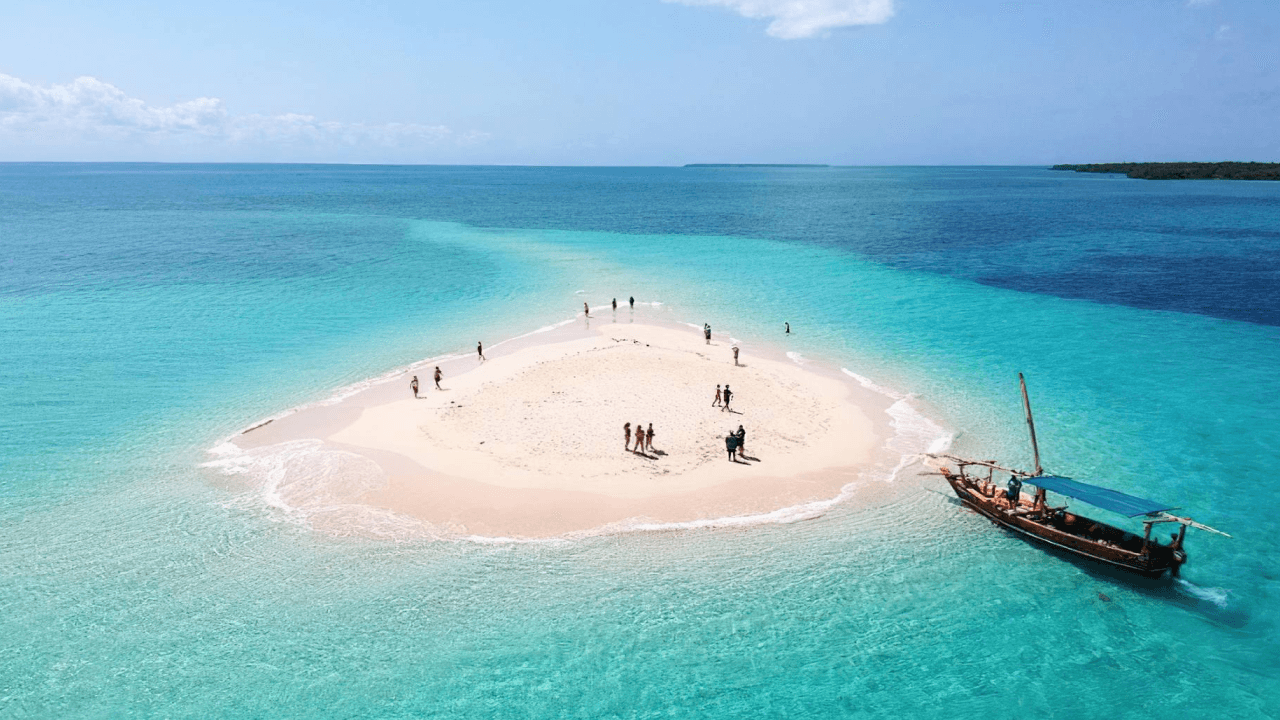
Zanzibar – just saying the name evokes images of white sandy beaches, turquoise waters, and exotic spice markets. For remote workers and digital nomads, this Indian Ocean island is fast emerging as a remote work paradise, blending tropical allure with improving infrastructure. In this guide, we’ll explore everything a digital nomad needs to know about living and working from Zanzibar: the cost of living, internet and coworking scene (including recent fiber upgrades and new workspaces like Vela Paje’s), visa rules (good news: more relaxed policies and fewer visa runs), and what daily life is like in popular areas such as Paje and Stone Town. By the end, you might just be tempted to pack your bags – or even consider putting down more permanent roots on this idyllic island.
Cost of Living in Zanzibar
Living in Zanzibar can be as affordable or upscale as you make it. While basic local expenses are low, many comforts come at a premium due to the island’s remote location. So, what does a typical budget look like? Here’s a breakdown of key cost factors:
- Accommodation: Expect to spend anywhere from around $500 to $1,000+ per month for a one-bedroom apartment, depending on location and amenities. Beachy hotspots and fully furnished places (with perks like backup generators) trend toward the higher end. On average, a digital nomad can budget roughly $600/month for a modest one-bedroom in a good area. Keep in mind Zanzibar’s popularity means long-term rentals can be scarce in peak season, so hunting for a deal might take time.
- Food: If you eat like a local, Zanzibar is delightfully cheap. A hearty meal at a local Zanzibari eatery can cost as little as $1.50 – think rice and curry or a plate of ugali with fish. In tourist-oriented restaurants or resort cafes, prices jump but are still reasonable: a meal might start around $5-$10. Western-style coffee at a cafe runs about $2 for a cappuccino, and a cold local beer about $2 as well. If you cook for yourself, local markets like Darajani in Stone Town offer fresh produce and seafood at low prices, though imported groceries (cheese, wine, packaged goods) will cost more.
- Transportation: Getting around is inexpensive if you use local transport. Hop on a dala-dala minibus for 500–1000 TZS (about $0.20–$0.40) for short trips. These crowded minibuses are an adventure, albeit a slow one. For faster travel or off-route destinations, motorbike taxis (boda-bodas) are common (a short ride might be $1 or two). Regular taxis and private drivers cost more – for example, an airport transfer from Zanzibar City to Paje can be $10–$20. Some nomads opt to rent a scooter long-term (approximately $10–$20 per day, with better rates for monthly rentals) to zip around independently. Fuel is fairly cheap, and distances are small since the island is only about 90 km across.
- Utilities and Miscellaneous: Electricity and water for an apartment might average around $80–$100/month (higher if running A/C constantly). Note that Zanzibar’s power can be spotty; many rentals include generator access, which is a lifesaver but can drive costs up. Mobile data is very affordable: a 10 GB SIM bundle costs about $4.30, and even 30 GB is only ~$12.90. Overall, if you’re budgeting, many remote workers find they can live comfortably on roughly $1,300–$1,500 per month in Zanzibar. Of course, indulging in tours, fancy restaurants, or imported luxuries will push the monthly spend closer to $2,000 or more.
Bottom line: Zanzibar isn’t the ultra-cheap nomad haven that some Southeast Asian spots are – in fact, “almost everything is imported” and priced at a premium, so costs can add up quickly if you’re not careful. But by living semi-local, taking advantage of fresh local foods and simple beachside living, you can keep expenses moderate. And many will agree that the quality of life – waking up to the ocean, enjoying fresh mangoes and seafood, and soaking in island culture – delivers great value for the money.
Internet and Coworking Infrastructure
One of the biggest questions for any digital nomad: How’s the internet? The good news is Zanzibar has shed much of its past reputation for poor connectivity. In recent years there have been fast-improving fibre-optic links across the islands. In fact, Zanzibar now boasts multiple options for getting online, from coworking hubs to SIM cards, ensuring you can get your work done (most of the time!) in this tropical paradise.
Mobile Data: Upon arrival, one of the first things to do is grab a local SIM card. Vodacom and Zantel are the popular providers; many nomads report that Zantel has the best signal on Zanzibar, though Vodacom is a strong choice as well. A SIM is cheap (under $1, passport needed for registration) and data packages are a steal – for example, 30 GB for about $12. Having a hefty data plan means you can tether internet from your phone as a backup if Wi-Fi goes down. It’s a real savior during the occasional island-wide outage or if your area’s internet is acting up. Pro tip: install the provider’s app (like MyVodacom) for easy top-ups.
Wi-Fi and Broadband: Many hotels, cafes, and guesthouses offer Wi-Fi, but quality varies. In Stone Town and the more developed beaches, you’ll find some venues have invested in fiber or at least a solid DSL line. Overall speeds of 10–15 Mbps are common and usually sufficient for video calls. Still, outages do happen – Zanzibar can experience power cuts or infrastructure hiccups. That’s why savvy remote workers always have Plan B (such as that mobile hotspot, or choosing accommodations with a generator). As one seasoned nomad put it, “Zanzibar’s internet isn’t that bad – but it’s not great. Plan ahead and you should face minimal disruption”. In other words, you can absolutely get work done here, but always have a backup (and maybe schedule that mission-critical Zoom meeting for a time you can be somewhere with a known stable connection).
Coworking Spaces: Perhaps the biggest game-changer is the rise of coworking spaces on the island. Before 2020, there were only a couple of makeshift coworking spots. Now Zanzibar hosts roughly half a dozen full-service coworking spaces spread across Stone Town, Paje, Jambiani, and even up-and-coming areas like Fumba. These aren’t just afterthought internet cafés – they typically offer reliable high-speed internet, backup power generators, air conditioning, comfortable workstations, and coffee on tap, plus the all-important community vibe. For example, in historic Stone Town you have spots like The Train’s House and Kokaya Space, where you can work alongside other nomads in a restored Zanzibari building. On the east coast in Paje (the island’s kite-surfing haven), new coworking options have popped up right near the beach – imagine taking a lunch break with a quick swim or kite session! Even some resorts have jumped on the trend: The Nest in Paje offers an open-air beachfront workspace where you can work with your toes in the sand and ocean breezes for inspiration.
Vela Paje Zanzibar itself is part of this remote-work revolution, featuring a modern on-site coworking hub as part of its amenities. Designed with digital nomads in mind, it provides a serene, air-conditioned workspace just 300m from the beach, complete with a backup generator to keep the Wi-Fi (and your devices) running through any power blips. It’s perfect for professionals who want a productive environment by day and Zanzibar’s beauty by evening. As one report noted, with these improvements in connectivity and work facilities, more and more professionals are trading places like Chiang Mai or Lisbon for Zanzibar’s sun, sea, and fast Wi-Fi.
Tip: No matter where you work, consider using a VPN when connected to local networks, both for security and to avoid any throttling by providers. And always confirm if your accommodation or workspace has a generator – it’s worth its weight in gold during the occasional island-wide power outage. All in all, while Zanzibar’s tech infrastructure still isn’t perfect, it has come a long way, making it quite feasible to live the island life without sacrificing your Zoom calls.
Visa Runs and New Relaxed Visa Policies
One of the less glamorous parts of the digital nomad life is dealing with visas. Tanzania (and by extension Zanzibar, which is semi-autonomous but follows the same immigration rules) doesn’t yet have a dedicated “digital nomad visa.” However, staying in Zanzibar long-term has gotten easier thanks to relaxed policies and new residency options.
Tourist Visas: Most remote workers initially enter on a tourist visa. For many nationalities, a single-entry tourist visa costs $50 (or $100 for U.S. citizens) and is valid for 90 days. You can obtain this online in advance or on arrival at the airport. There’s also a multiple-entry visa available (often issued to U.S. passport holders by default, or on request for others) which is valid for 12 months – however, it still requires you to leave the country every 90 days and re-enter. In practice, that means after three months in Zanzibar, you’d need a quick trip out (commonly a hop to Nairobi, Kenya or a short flight to Dubai or elsewhere) before coming back in to reset another 90-day stay. These “visa runs” have been a regular routine for long-termers on the island.
The good news is that Tanzania has been streamlining its visa renewal and residency processes recently. Short extensions of a tourist visa may be possible in Stone Town (reports vary, and it often depends on current rules or the mood of the immigration office). But the real game-changer is a new option for those looking to invest in Zanzibar’s future.
New Investor Residency Permit: In 2024, Zanzibar introduced the Class C11 investor residence permit – effectively a renewable two-year stay permit for foreigners who invest at least $100,000 in a Zanzibar Investment Promotion Authority (ZIPA) approved project. In plain terms, if you purchase property (for example, a villa or apartment in an approved development) or invest in a local business above that threshold, you and your immediate family become eligible for a residency card. This lets you reside in Zanzibar long-term without the hassle of exiting every few months. The first of these investor permits were issued in May 2024, and they streamline renewals that once required quarterly visa runs. While this is not a “digital nomad visa” per se (it’s aimed at investors), it’s incredibly relevant if you’re considering putting down roots here – essentially, the island is saying “invest in us, and we’ll welcome you to stay.”
There’s also buzz about a full “Zanzibar Golden Visa” on the horizon. This would presumably offer even longer-term residency or additional perks (perhaps eventual citizenship) for significant investors. While not yet in effect as of 2025, talk of a future Golden Visa is in the air, and some predict Zanzibar may formalize such a program soon to further attract foreign talent and capital. If and when that happens, Zanzibar could become one of the more accessible tropical havens for remote workers seeking semi-permanent relocation.
For now, most digital nomads will continue using tourist visas and doing the occasional visa run. It’s wise to keep an eye on the latest immigration updates (rules can change), and always ensure your passport has at least 6 months validity when entering. Also note: as of October 2024, Zanzibar requires all foreign visitors to have a local travel insurance (purchased via the government portal) which costs around $44 and covers your stay – essentially a COVID-era policy they’ve kept to ensure tourists have coverage. It’s a minor extra step in the visa process now.
Summary:90 days at a time is the norm for casual stays, but if you’re eyeing Zanzibar as a long-term base, new residency pathways mean you won’t be perpetually stuck in the “visa run” cycle. With a bit of planning – or a bit of investment – you can focus more on enjoying paradise and less on border stamps.
Daily Life in Paje for Remote Workers
What’s it actually like living in Zanzibar as a remote worker? The experience can vary dramatically depending on where you base yourself. Let’s start with Paje, the poster child of Zanzibar’s beach nomad scene.
Vibe and Community: Paje is a small village on Zanzibar’s southeast coast, blessed with powdery white sands and steady trade winds. By day, the beach is dotted with kite-surfers skimming across the shallow lagoon. By evening, there’s a chilled-out buzz as travelers and expats gather at beachfront bars, swapping stories under palm trees and starry skies. It’s a place where barefoot living is the norm – you might find yourself working from a café in flip-flops and taking calls with an ocean view. In recent years, Paje has attracted many digital nomads and remote workers, giving rise to a budding community. You won’t be alone with your laptop – co-workers are easy to spot at popular hangouts like Mr. Kahawa or Hello Capitano café, and it’s not hard to strike up a conversation about the best SIM card or secret sunset spot. In fact, Paje arguably has the highest concentration of nomads on the island, and plenty of beachfront cafes with Wi-Fi to accommodate them.
Workday Routine: A typical remote-work day in Paje might go something like this: Wake up with the sun (and perhaps the sound of roosters or the ocean breeze). Stroll to a nearby juice stand for a fresh mango smoothie or Zanzibar spiced coffee. Get a few solid hours of work done in the morning while it’s cooler – maybe from your hotel’s patio or a coworking lounge. By midday, take a break: the tide might be out, revealing a wide expanse of beach perfect for a walk. Grab lunch at a local joint – a plate of grilled octopus and fries for $4 or a woodfired pizza at a beach bar for $8. After lunch, you might relocate to a coworking space or a cafe with strong Wi-Fi to crank out another work session. Internet in Paje is generally decent, especially if you stick to places known for it. The mobile 4G signal in Paje is among the best on the island (better than in some other beach areas), so tethering is a reliable fallback if the power blinks out and the Wi-Fi goes with it.
By late afternoon, work is done and it’s time to play. Consistent winds make Paje a kite-surfing mecca – don’t be surprised if you end up learning to kite after hours, joining dozens of others carving up the turquoise lagoon. Not into kites? No problem – you can go for a swim, lounge on the sand, or take a yoga class at a beachside shala. As dusk falls, the sky over the Indian Ocean explodes in hues of orange and pink. Many nomads gather to watch the sunset, perhaps with a cold Kilimanjaro beer in hand. Evenings in Paje can be as low-key or lively as you want: some nights there’s a bonfire or impromptu drum circle on the beach, other nights you might join new friends for a seafood barbecue or hit one of the small beach clubs for a bit of dancing under the palms.
Despite its laid-back charm, Paje has enough conveniences to keep remote workers comfortable. There are a couple of ATMs, a pharmacy, and some minimarts for basics. Larger grocery trips might mean a journey to Zanzibar City, but many essentials are available locally. One thing to note: power outages can happen here, just as in the rest of Zanzibar. Having accommodation with a backup generator (like at Vela Paje Zanzibar) or knowing which cafes have one, will save you from sweating through an afternoon with no fan or losing unsaved work. Paje’s overall vibe is young and active – by day you’ll see bikini-clad tourists, Maasai beach boys selling bracelets, and fishermen bringing in the day’s catch, all coexisting. By night, the village’s sandy lanes are quiet, with stars overhead and perhaps the distant thump of Afro-beats from a bar. Safety-wise, Paje is generally safe, though petty theft can occur (don’t leave your laptop unattended on the beach, obviously). The community is tight-knit; after a few weeks you’ll start recognizing familiar faces at your cafe or coworking spot, creating a nice sense of belonging.
In short, daily life in Paje offers an enviable blend of productivity and play. You’ll trade the humdrum of city life for a routine of morning emails with a sea breeze, lunch breaks spent snorkeling, and evenings unwinding to the sound of waves. It’s hard not to fall in love with the rhythm here. And if you do, well – you wouldn’t be the first digital nomad to “accidentally” extend your stay.
Daily Life in Stone Town for Remote Workers
On the opposite side of the Zanzibar experience spectrum is Stone Town, the historical heart of Zanzibar City. If Paje is all about beach bum vibes, Stone Town offers a rich cultural immersion – a maze of narrow alleys, ornate doorways, bustling bazaars, and an intoxicating mix of Arabic, African, and colonial influences. Many remote workers choose to spend at least part of their Zanzibar time here to enjoy a different pace of life.
Atmosphere and Culture: Stone Town is a UNESCO World Heritage site, and living here means stepping back in time in some ways. Picture yourself in a labyrinth of winding streets, where every turn reveals something interesting – be it a colorful market stall, an old mosque, a hidden courtyard cafe, or the scent of spicy Zanzibar chai wafting through the air. The town buzzes with activity throughout the day, with residents and tourists weaving through alleyways barely wide enough for a bicycle. You’ll hear the call to prayer from local minarets, children playing in the streets, and merchants calling out their wares. Despite being the island’s main urban center, Stone Town isn’t a big city – it’s more like a lively small town with a very cosmopolitan history. This unique charm is a big draw: as one traveler put it, Stone Town is “a charming labyrinth of friendly people, hidden treasures, and occasionally striking architecture”.
For a digital nomad, Stone Town offers things Paje can’t: a wide array of restaurants (from Zanzibari biryanis and Swahili curries to Italian pizza and Indian kebabs), museums and historical sites to explore after work (the Old Fort, Freddie Mercury’s house, Sultan’s Palace), and a chance to be a bit more anonymous in the crowd. It’s also more convenient – you can walk everywhere, and you’re close to services like banks, larger supermarkets, and the main ferry port and airport.
Working in Stone Town: Stone Town has a couple of dedicated coworking spaces and plenty of laptop-friendly cafes. You might start your day with breakfast on a rooftop terrace (many hotels have scenic rooftop restaurants) overlooking the harbor. By 9 or 10 AM, you head to your chosen workspace. Perhaps it’s a cozy coffee shop with reliable Wi-Fi – there are several popular ones where expats hang out, such as Puzzle Coffee or Zanzibar Coffee House, which pair strong coffee with stable internet. Or maybe you join others at a coworking spot like The Train’s House, tucked next to an old train station, or Kokaya Space in a historic building – both provide quiet desks, good Wi-Fi, and a chance to network with fellow remote professionals. With Stone Town’s growing remote work scene, you’ll find a small but solid community here; don’t be surprised if you make friends with NGO workers, journalists, or startup folks who use Zanzibar as their base.
One advantage of Stone Town is backup options – when one cafe’s internet is flaky, you can stroll to another. Also, power supply in town is a tad more reliable than in the villages (and many establishments have generators). During your work breaks, you can grab a tasty snack like urojo (Zanzibar mix soup) or freshly grilled naan and kebab from a street vendor for just a dollar or two. Lunchtime might mean meeting up with friends at a waterfront restaurant like Livingstone Beach for a bite and a view of the ocean.
After work, Stone Town truly shines. You can catch the sunset at Forodhani Gardens, where each evening a lively street food market pops up. Savor a Zanzibar pizza (a local specialty) or sugarcane juice as the sun dips below the Indian Ocean. Evenings might involve live Taarab music at a cultural center, a casual happy hour at a boutique hotel bar, or simply wandering the safe, bustling streets where locals relax and socialize. Weekends could be spent on short excursions – hopping on a spice tour, a boat trip to Prison Island to see giant tortoises, or a snorkeling trip to nearby sandbanks.
Living considerations: Being an older town, Stone Town’s apartments are often in historical buildings – high ceilings, big windows, maybe a picturesque balcony. Some are beautifully renovated, while others can be a bit worn around the edges (and might not have the strongest water pressure or AC units). Many nomads rent short-term here via Airbnb or local agents. A nice thing is that long-term rates can be negotiated, especially if you’re staying a month or more; you might find a charming studio for around $500-$700 a month if you look around. One creative option some have taken: renting a room at a local guesthouse or hotel on a monthly rate – this often includes cleaning, breakfast, and reliable Wi-Fi, removing a lot of hassles.
Stone Town is decidedly more conservative than the beach towns. The majority of locals are Muslim, and while they are accustomed to tourists, it’s respectful to dress modestly when you’re away from the tourist hotels (especially for women – keep those shoulders and knees covered in town). The upshot is you get to experience the authentic daily life of Zanzibaris – greeting your neighbors in Swahili, hearing prayers and kids singing on their way to school, observing the rhythms of Ramadan if you’re here during the holy month. Most nomads find the locals incredibly warm and friendly. Safety is good – crime is low; you can walk most places day or night without issue, though of course normal city precautions apply.
In essence, daily life in Stone Town is a rich blend of work and culture. You might wake up in a centuries-old building, work from a trendy cafe set in a former colonial home, and spend your breaks exploring alleys that haven’t changed in decades. It offers a stimulating contrast to the tranquil beach life – and many remote workers choose to split time between Stone Town and beach areas like Paje to enjoy the best of both worlds.
Making Zanzibar Your Home Base
By now, you can see why Zanzibar is so enticing – perhaps you’re even daydreaming of setting up a more permanent base here. The island has that effect on people! If you find yourself falling in love with Zanzibar’s blend of tropical tranquility and vibrant culture, you’re not alone. An increasing number of digital nomads and expats are not only coming to Zanzibar, but returning regularly or putting down roots by investing in property.
This trend is no coincidence. As mentioned earlier, the government is welcoming foreign investment – offering those investor residency permits that let you stay for two years (renewable) and even hinting at a future Golden Visa. Real estate in Zanzibar is still relatively affordable compared to other island paradises, though prices are rising as word gets out. You won’t find many places in the world where for around $75,000–$100,000 you could own a modern studio or apartment steps from an incredible beach. Imagine having your own pad in Zanzibar: no more scrambling for monthly rentals, a place to leave your kite-surfing gear, and perhaps rental income when you’re away (Zanzibar’s booming tourism means decent returns for short-term rentals, with Airbnb occupancy rates fairly high year-round).
If you’re thinking long-term, developments like Vela Paje Zanzibar offer an ideal opportunity. They feature affordable studios ideal as your digital nomad pad – move-in ready units with modern amenities, set within a community that caters to remote work and relaxation alike. (For example, Vela’s Bahari studios come fully furnished and are designed to maximize comfort in a compact space – perfect for a single nomad or couple.) Having an island home-base means you can drop in and out of Zanzibar with ease, take advantage of the residency perks for owners, and always have a familiar, equipped place to work and live when you return. No more worrying about peak-season accommodation or schlepping your belongings every time – your own slice of paradise will be waiting.
Beyond the practical, there’s an emotional pull to Zanzibar. Many remote workers describe a sense of community and belonging that they found here, stronger than in more transient nomad hubs. It’s the kind of place where you greet your fruit seller by name each morning, where the café owner knows your usual order, and where neighbors actually chat with you. Becoming a part of that fabric – even if part-time – can be deeply rewarding.
Of course, making Zanzibar home isn’t without its adjustments. You’ll need to adapt to “island time” (things move a bit slower), the tropical climate, and the nuances of local culture. But those who do will tell you that the rewards far outweigh the inconveniences. Few other places offer such a unique mix of adventure and ease: one day you could be diving with dolphins, the next you’re zipping through work tasks from a hammock, and in the evening you’re dining on rooftop curry as traditional Taraab music plays in the distance.
Final Thoughts: Zanzibar truly can be a remote work paradise if you embrace it. Its cost of living, while not rock-bottom, is manageable and comes with a quality of life that’s hard to match – who can put a price on lunchtime swims and weekend island-hopping? The internet and coworking scene has improved by leaps and bounds, enough to keep you connected to the world. Visa policies are steadily catching up to the needs of long-term visitors, making it more feasible to stay as long as you desire. And whether you choose the thrilling beach life of Paje or the cultural heartbeat of Stone Town (or a bit of both), daily life here can be as fulfilling as it is fun.
For those looking not just to visit, but to truly invest in a Zanzibar life – literally and figuratively – the door is open. From cozy studios to beachfront villas, there’s an option to suit different budgets, and incentives in place to welcome you into the community as an owner. After all, why just daydream about paradise, when you could call it home?
So pack your laptop, your sunscreen, and your sense of adventure. “Smile, you’re in Zanzibar,” as the famous sign at the airport says. With a bit of planning and an open mind, you might discover that this enchanting island is not only a great place to visit, but perhaps the perfect place to live, work, and thrive as a digital nomad.

