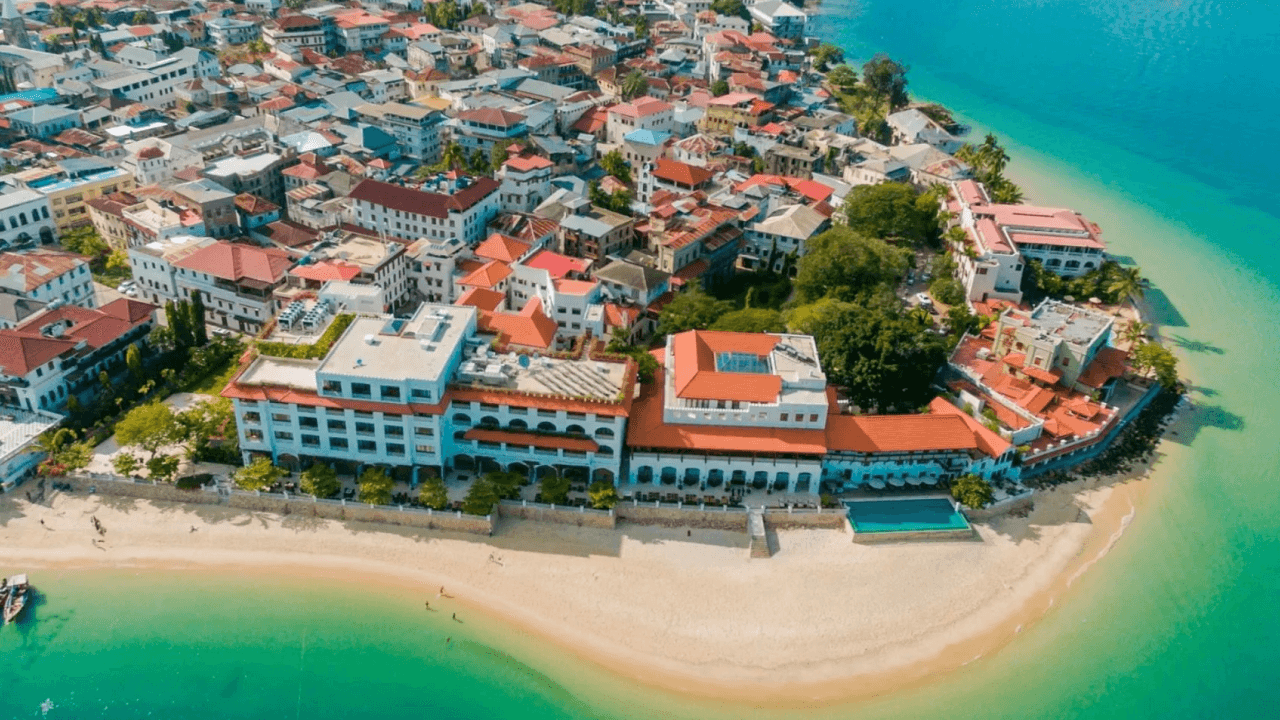
Zanzibar has emerged as a vibrant real estate market, drawing international investors with its stunning locations and strong returns. In 2025, prime resort areas like Paje and Nungwi are seeing rental yields of 12–15% on villas (and 13–18% on well-located apartments) alongside annual price growth around 10%. Foreign buyers now account for nearly one-third of property transactions, thanks to an investor-friendly framework that allows 99-year leasehold ownership for non-citizens and a pipeline of new projects tailored to global tastes. Yet prospective investors face a fundamental choice: purchase a modern, off-plan apartment in a new development by a Zanzibar real estate developer, or buy an older house and undertake a renovation. This article explores the differences between these two routes – buying a new-build vs. renovating an old property – and how each aligns with the priorities of foreign investors. We will compare convenience, amenities, management, and returns, emphasizing the turnkey, hassle-free nature of new builds (such as the Vela Paje Zanzibar project) versus the charm and challenges of restoring an older home.
By understanding the trade-offs, investors can make an informed decision that suits their goals, whether it’s maximizing rental income with minimal effort or preserving a slice of Zanzibari heritage. Let’s dive into the “new vs. old” dilemma in Zanzibar’s real estate landscape.
Off-Plan New Builds in Zanzibar: The Turnkey Advantage
Investing in an off-plan new development – essentially buying a property in a project that is under construction or recently completed – offers a range of benefits tailor-made for overseas buyers seeking a turnkey solution. “Turnkey” in this context means the property is delivered fully finished and ready to use, often with modern furnishings and management in place, so the owner need not lift a finger beyond the purchase. Here are key advantages of choosing a new-build apartment or villa in Zanzibar:
- Modern Amenities and Facilities: New developments come equipped with the kinds of amenities today’s global travelers and residents expect. For example, Vela Paje Zanzibar (a contemporary resort-style complex near Paje Beach) offers a 8,200 m² luxury residential community packed with on-site facilities. Residents have access to a large communal pool, state-of-the-art gym, co-working space, restaurant, 24-hour security, reception services, and even lush landscaped gardens – all within the development. Such world-class amenities, blended with modern elegance and eco-conscious design, provide comfort and convenience that an independent old house typically cannot match. From backup power generators ensuring reliable electricity to solar panels and water-saving systems for sustainability, these new projects are built to high standards of comfort and efficiency. In short, a new-build property delivers a move-in-ready lifestyle with resort-like features at your doorstep.
- Turnkey Convenience (Hassle-Free Ownership): Perhaps the biggest draw of buying new is the turnkey nature of the investment. The property is brand new and built to modern standards, so you won’t be faced with immediate repairs or upgrades. There’s no need to manage a construction crew or juggle the logistics of a refurbishment in a foreign country – the developer has already done the hard work. Reputable Zanzibar real estate developers often allow buyers to personalize finishes or layouts during construction, but once it’s delivered, the unit is “move-in ready” (or ready to rent out) from day one. This hassle-free aspect is a major relief for foreign investors who may not reside in Zanzibar full-time. Moreover, many new developments offer professional property management services or rental programs on-site. For instance, Vela’s residences are “engineered for global investors, digital nomads, and holiday-home seekers”, balancing personal use with investment returns. Owners can tap into professional rental management to handle guest bookings, housekeeping, and maintenance, effectively having a hotel-style management for their unit. This means you can generate income without the headaches of being a landlord. In fact, professional management and strong tourist demand help drive double-digit rental yields – Vela projects net yields in the 13–23% range for its apartments and villas under various occupancy scenarios. Having an experienced operator manage your property not only maximizes income but also ensures the property is well-maintained, truly making the investment passive and hands-off for you.
- Prime Locations and Lifestyle Appeal: New developments are often strategically located in Zanzibar’s high-demand areas. Many are beachside or close to tourist hubs, chosen for their rental appeal and lifestyle advantages. For example, Paje on the east coast has become a hotspot due to its world-class kitesurfing beach and vibrant hospitality scene. A modern apartment in Paje means your property is steps from white-sand beaches (Vela Paje is 300m from Paje Beach) and near popular cafés, boutiques, and beach bars that attract a steady stream of visitors. Being in a resort-like community or a managed complex adds to guest appeal – holiday renters often prefer the security, services, and social atmosphere of a development, as opposed to an isolated private house. The location of new builds also tends to ensure strong occupancy. For instance, Paje sees peak-season occupancies above 85% and healthy demand even in shoulder months, given its mix of kitesurfers, digital nomads, and vacationers. By purchasing in a new development, you essentially buy into a built-in demand pipeline due to the location and concept of the project.
- Secure Legal Structure for Foreign Buyers: Navigating property ownership abroad can be daunting, but Zanzibar’s framework for new developments significantly streamlines the process for foreigners. Most off-plan projects are structured as condominium properties under the 2010 Condominium Act, meaning each unit comes with a registered title (long-term leasehold) in the buyer’s own name. This is the simplest path for an individual foreign buyer – once the unit’s 99-year lease is registered, you enjoy near-freehold rights to occupy, rent, or sell the property. Crucially, reputable developers handle the heavy paperwork upfront: most new-build projects come with pre-approved “Right of Occupancy” titles vetted by the Zanzibar Investment Promotion Authority (ZIPA), which simplifies due diligence and financing for the buyer. In other words, when you buy a unit in an approved development, the legal groundwork (lease structure, government approvals) is already laid out for you. Contrast this with buying a standalone house (where you might have to form a local company or get project approval yourself – more on that later). Additionally, Zanzibar allows full repatriation of profits and has relatively low transaction costs (around 3–5% in total). There are no restrictions on foreigners renting out their property or repatriating rental income, making the environment very investor-friendly. Some developers even go a step further to mitigate off-plan risks: for example, pre-completion payments at Vela are insured by an international carrier, keeping your funds safe until handover. All these factors give peace of mind that an off-plan purchase is secure and straightforward, despite being in a foreign country.
- Lower Maintenance and New-Build Warranty: With new construction, everything from the roof to the plumbing and electrical systems is brand new and built to current standards. This translates into lower maintenance needs in the initial years and often a builder’s warranty that covers any construction defects or issues that do arise. In Zanzibar’s tropical climate (which can be harsh on buildings due to heat, humidity, and salty air), having a newly built home using modern materials and techniques can be a significant advantage. New builds today often incorporate sustainable features – like treated timber, corrosion-resistant fixtures, and design that optimizes airflow – extending the longevity of the property. By contrast, older homes may come with hidden issues (from termite damage to outdated wiring) that could require constant upkeep. The cost certainty with a new build is also better: you know the purchase price upfront and can reasonably predict running costs, whereas a fixer-upper can be a money pit if unforeseen repairs mount up. In summary, a new-build investment in Zanzibar offers a combination of modern comfort, minimal hassle, and integrated support that is highly attractive to foreign investors who prefer a hands-off, ready-made investment.
Renovating an Older Zanzibar Property: Charm Meets Challenge
On the other side of this dilemma is buying an older house or villa – perhaps a historic Stone Town apartment or a quaint beach bungalow – and renovating it to modern standards. This path can be rewarding for those who value authenticity, architectural charm, or a more personalized project. Zanzibar’s older properties often feature unique Swahili, Arab, or colonial architecture: think carved wooden doors, high ceilings, and thick coral stone walls that exude character and history. Renovating such a property can allow an investor to own a one-of-a-kind home that stands out in the market. However, with these rewards come significant challenges, especially for foreign investors managing a project remotely. Let’s examine the appeals and pitfalls of the renovation route:
- Unique Character and Historical Appeal: There is undeniable romance in restoring a historic Zanzibari property. In Stone Town (Zanzibar’s UNESCO World Heritage old quarter), for example, many buildings date back over a century and carry cultural significance. A renovated heritage apartment or boutique hotel in Stone Town can be incredibly attractive to a niche of tourists seeking an authentic stay amid historic charm. Even outside Stone Town, buying an older beach house might give you a larger plot or a traditional style construction that newer developments don’t offer. Some investors are drawn to the idea of repurposing an old structure with character – turning an antique merchant’s house or a former spice trader’s villa into a modern living space. Indeed, well-renovated heritage condos in Stone Town have seen strong capital appreciation in recent years. Fully restored “move-in ready” lofts in prime Stone Town lanes have fetched over US$3,000 per square meter, reflecting how unique historic properties can command premium values when finished to a high standard. Additionally, an old property can sometimes be acquired at a bargain if it’s in disrepair, offering the chance of forced appreciation – i.e. you create value through renovation. However, it’s crucial to weigh these benefits against the complexity and cost involved in achieving that final product.
- Renovation Complexity and Uncertainty:Renovating an aging property in Zanzibar is not for the faint of heart. Older buildings often hide unexpected issues that only become apparent once you start the work. As one construction expert notes, with very old buildings “your team can’t be perfectly sure of what conditions or surprises they’ll run into once construction begins,” which can add unexpected cost and time to the project. For example, you might open a wall and discover structural weaknesses, or find that the plumbing and wiring need complete replacement to meet modern safety codes. Tropical conditions may have led to rot, termite infestation, or mold that requires extensive remediation. Generally, the older the building, the more it can cost to renovate due to these complications. There’s also the challenge of sourcing materials and skilled labor on an island – specific restoration materials (like seasoned hardwood for beams or traditional lime for plaster) might not be readily available and could delay the project. If the property is in Stone Town or another protected area, heritage conservation rules will apply, limiting what alterations you can do to facades, windows, etc. and requiring approvals for major works. Such regulations are vital for preserving Zanzibar’s cultural heritage, but they lengthen refurbishment timelines and add bureaucratic steps. In fact, historical properties in Stone Town have seen slower annual price gains (around 6–7% CAGR) partly because UNESCO conservation rules cap supply but also extend the time it takes to refurbish these buildings. All told, undertaking a renovation means accepting a hands-on role (or hiring someone to play that role) to oversee design, permitting, contractors, and budget control. For a foreign investor not based in Zanzibar, this can be a daunting project management challenge.
- Limited Amenities and Modernization Needs: An old standalone house will likely lack the amenities that come standard in new developments. No matter how charming a 1940s villa is, it probably wasn’t built with a swimming pool, backup generator, fiber-optic internet, or air-conditioned gym. As an investor, if your goal is to generate rental income, you must consider that today’s renters often expect modern comforts. That means a renovation project might need to include significant upgrades to meet contemporary guest expectations – adding or improving bathrooms, installing air conditioning, modern kitchen appliances, perhaps even adding a small pool or outdoor deck if space allows. Each of these improvements means extra cost, coordination, and ongoing maintenance. Even then, your property might not compete with a gated community on amenities; for instance, you likely won’t have on-site restaurants or reception staff unless you hire them separately or convert the property into a serviced villa. In a practical sense, someone staying in your renovated house won’t have the convenience of calling a front desk or walking to a cafe on-site – aspects that many tourists find appealing. So, while an older property can offer privacy and authenticity, it may appeal to a narrower segment of the market unless it’s exceptionally well-located or unique. Keep in mind also that infrastructure in Zanzibar can be inconsistent – water supply, electricity outages, etc. – and older homes might not have mitigation like water storage tanks or generators. You, as the owner, would need to invest in these to ensure a comfortable experience for you or renters. Essentially, achieving a “turnkey” standard in a renovation requires extensive work, and even then, the property will need continual upkeep given its age. This is the polar opposite of the plug-and-play ease that comes with a new build.
- Legal and Ownership Hurdles: Buying an old house in Zanzibar as a foreigner can introduce extra legal complexity compared to a new condo unit. Remember that all land in Zanzibar is government-owned, and foreigners can only hold long-term leases (no freehold). If the property is not part of an existing condominium structure, a foreign buyer would typically need to create a local company or special purpose vehicle (SPV) to hold the property’s lease. Zanzibar’s laws require a fully foreign-owned company to have a certain minimum capital investment (around US $300,000 for ordinary real estate projects, or up to $2.5 million if it’s a large hotel/tourism enterprise) in order to get project approval from ZIPA. Setting up such a company involves a business plan, fees, and ongoing compliance, which can be overkill if you only want to purchase a single residential house. In contrast, buying within an approved condo (new build) bypasses this complexity – you can directly obtain a 99-year lease in your own name under the Condominium Act. Furthermore, when you buy an older property, due diligence is on you and your lawyer to verify the lease title, ensure it’s unencumbered, and get ZIPA’s approval for transfer. It’s absolutely doable (many foreigners have successfully bought old properties), but it is a more involved process. You must confirm that the lease can be transferred and has a long duration remaining (banks typically want at least 60+ years left on a lease). You also have to budget for closing costs like stamp duty (1.5%), ZIPA consent fee (1%), etc., and make sure any back-due ground rent or taxes are settled. Essentially, purchasing an old property may require more legal legwork and sometimes creative structuring to comply with local laws, whereas a reputable developer has largely taken care of these steps for their new-build buyers. This difference can significantly affect how easy or stressful your acquisition is.
- Property Management and Rentals: Once you’ve renovated an old house, you face the question of how to manage it and generate income. Unlike a new resort residence, you won’t automatically have a professional management service waiting to take over. You will need to either self-manage or hire a local property manager or rental agency. Many independent landlords in Zanzibar hire local agents, but this comes at a cost – typically 15–20% of gross rental revenue is charged by agents for handling bookings, guest check-ins, and upkeep. Alternatively, some owners negotiate to have their villa managed by a nearby hotel or join a “guaranteed rental pool” if the property is in a resort area, but such arrangements usually offer more modest returns (often a fixed 6–10% net yield after costs, as the managing entity takes a significant cut). In any case, as the owner of a standalone property, you’ll need to be more involved in oversight – you might have to coordinate repairs, pay utilities, ensure the gardener and cleaning staff do their jobs, and so on. If something breaks, you or your manager must fix it; there isn’t a maintenance team on-site as there would be in a professionally run complex. This is a more hands-on, active management scenario. It can be done successfully – especially if you find a trustworthy local manager – but it’s an ongoing effort and expense that eats into your time and returns. By contrast, new developments targeting foreign investors often come with fully managed rental programs. For instance, an investor in a serviced apartment at Vela Paje can rely on the in-house management to handle everything, from marketing on Airbnb to cleaning and maintenance, while they collect passive income. This difference in management burden is a pivotal factor for many investors deciding between new and old. If you’re not prepared to become essentially a small hospitality operator, the renovation route could prove onerous.
In summary, buying and renovating an old Zanzibar property offers the allure of character and potentially lower entry price, but it comes with far greater complexity and uncertainty. It tends to be a labor of love – more suitable for those with experience in construction or a passion for restoration. For pure investors seeking a stable return and minimal fuss, the renovation path often entails higher risks and effort compared to a new-build purchase.
New Build vs. Renovation: Key Factors Compared
Now that we’ve outlined each option, let’s directly compare new-build vs. renovation across a few key factors that matter to investors:
1. Convenience and Timeframe
New-Build: Offers a clear timeframe for delivery (as per the developer’s schedule) and requires little of the buyer beyond making payments and showing up at closing. There is no need for you to coordinate construction – the developer handles it. Once completed, you can use or rent out the property immediately. Any minor issues are often covered by a warranty or developer rectification period. Essentially, it’s a hands-off process relative to renovation. Do note that off-plan projects can sometimes face delays, but a reputable developer will keep investors informed and ensure completion. In Vela’s case, for example, buyer deposits are insured until handover, adding an extra layer of confidence during the construction period.
Renovation: The timeframe is highly variable and often longer than anticipated. While a cosmetic renovation might finish in a few months, a comprehensive rebuild of a historic house could easily stretch beyond a year. Unexpected structural problems or permit delays can push the timeline further. Every week the project drags on is a week of carrying costs (financing, security, etc.) and lost rental income. Moreover, as the investor, you’ll either need to be on-site regularly or hire someone trustworthy to supervise the works. This is far from convenient – it’s essentially a part-time job managing the project. Some experienced investors thrive on this challenge, but many others have found it more time-consuming and stressful than initially expected. In the worst cases, extensive renovations can take longer and cost more than building new from scratch, especially if the building is very old or in poor condition.
2. Amenities and Lifestyle
New-Build: Comes out ahead on amenities. As described, new developments provide modern lifestyle features: swimming pools, fitness centers, restaurants or clubhouses, high-speed internet, landscaped environments, and often a like-minded community of other owners or tourists. These add tangible value for both personal enjoyment and rental desirability. Also, new units are designed to maximize comfort – open-plan layouts, large windows, en-suite bathrooms, contemporary finishes – the kind of design today’s buyers and renters want. For example, a turnkey two-bedroom pool villa in Paje was recently listed at $259,000, reflecting high demand for ready-built modern villas in prime locations. New builds in Zanzibar also frequently embrace sustainable design (solar panels, rainwater harvesting, energy-efficient appliances) which not only appeals to eco-conscious investors but also reduces operating costs. In short, choosing a new build means you and your guests can enjoy resort-level living in Zanzibar.
Renovation: Older properties generally lack these conveniences unless you invest heavily to add them. You may be able to retrofit some features – for instance, convert a courtyard into a small pool or install modern kitchen and bath fixtures – but some things (like having a full gym or a staffed reception) are impractical for a single home. The lifestyle your property offers will be more authentic and private, which can be lovely (imagine a historic home with antique Zanzibari furniture, or a quiet beach cottage with its own garden). However, renters seeking full-service amenities might overlook independent homes in favor of resorts or condos. One mitigating factor: if your renovated property is in a central location (e.g., a Stone Town apartment), amenities like restaurants, cafes, and shops are at least within walking distance, albeit not on-site. Still, when it comes to built-in facilities and the ease of having everything at hand, an individual property can rarely rival a modern development.
3. Management and Rental Income
New-Build:Advantage – integrated management. As discussed, many new developments in Zanzibar double as investment properties with rental management in place. They are often marketed as “managed investments” where the developer or a partnered hospitality company will rent out your unit when you’re not using it. This means your property can generate income like a hotel room would, with professional marketing and operations. For an investor, this is ideal: you can earn strong returns without personally dealing with guests. Indeed, the strong tourism growth in Zanzibar (over 700,000 international arrivals in 2024) means professionally managed apartments in tourist zones can achieve high occupancy. Vela’s projections (based on market data) show potential net rental yields in the mid-teens to 20% range under management. Importantly, “well-managed stock rarely sits vacant for long” in popular areas, confirming that if you have a good operator, you can expect consistent bookings. This hands-free rental model appeals to foreign investors who want passive income. Also, being part of a larger operation means things like guest check-in, cleaning, maintenance, and even handling of utilities are taken care of by someone else. You effectively reap the rewards of Zanzibar’s booming holiday rental market without needing to become a hospitality expert yourself.
Renovation:Hands-on or extra expense. If you go the renovate-and-rent route, be prepared to organize the management of your property. You could contract a local vacation rental agency or a property manager (for a fee, as noted earlier, typically 15–20% of revenue). They can handle day-to-day operations, but you will still need to oversee them and make key decisions. Another route some take is to offer the property as a long-term rental (e.g., to expatriates or NGO workers on the island) to avoid the churn of short-term guests – but long-term rents might yield less income than lucrative short-term tourist rentals. Overall, the income potential of a renovated property can be good if executed well, but it often requires more personal involvement or trust in hired help. One positive aspect: if you truly add value through renovation (say you bought at $100k and put $50k in renovations, and now it’s comparable to a $200k new property), you could see both rental income and a capital gain on your total investment. However, reaching that point involves adept management of the renovation and rental process. New builds, by offering professionally managed rental programs from the start, tend to outperform on yield with much less effort from the owner. According to market surveys, gross rental returns of 12–15% are routine in Zanzibar’s prime areas when properties are well-managed. Without good management, an identical property might underperform – this underscores how crucial the management factor is.
4. Cost and ROI Considerations
New-Build: The pricing of new units in Zanzibar is generally higher on a per-square-meter basis than unrenovated old properties, because you’re buying a finished product. As of 2025, luxury beachfront apartments in top locations like Paje or Nungwi command roughly $1,900–$2,800 per m², and even more for direct beachfront villas. While you pay a premium for new construction, you are also buying peace of mind and immediate usability. Importantly, new builds can start generating rental income as soon as they are completed, so your money isn’t tied up in a non-performing asset for long. The opportunity cost is lower. Many investors also find that financing (if needed) is easier with a new property; local banks are more comfortable lending on properties that have clear titles and occupancy certificates (common with new condos) and with developers that have ZIPA approvals. Some developers offer staged payment plans during construction, which can help with cash flow. On the ROI front, new builds in high-demand areas benefit from both rental yields and price appreciation. With Zanzibar’s limited supply – only 600–800 new investment-grade units are coming to market in 2025–26 across the whole archipelago – there is an inherent scarcity that supports values. Analysts note that this constrained pipeline is one reason price trends remain bullish and gross yields stay in the teens for beachfront stock. In other words, investing in a new property in a good location positions you to ride the wave of rising tourism demand without facing oversupply. Over a holding period of several years, one could reasonably expect solid capital gains in addition to rental profits, especially if buying early in a development at launch prices. For example, projections on some new developments show 10–15% annual appreciation in base cases, which, if realized, significantly boosts total return on investment.
Renovation: The initial purchase price of an older property might be relatively low. As noted, an unfurnished walk-up apartment in Stone Town’s historic center might list around $1,300–$1,800 per m², reflecting the need for upgrades. That can look very attractive compared to paying perhaps $2,000+/m² for a shiny new unit. However, the cost of renovation must be added to get a true picture. Renovation costs in Zanzibar can range widely depending on scope, but construction costs have risen to about $800–900 per m² for new build work, and renovations can be even costlier per m² if you’re gutting an interior (due to inefficiencies and surprises inside old structures). If you need to do structural repairs or import high-end finishes, the budget can climb. It’s not unheard of for a bargain property to turn into a money trap if extensive issues are uncovered. That said, careful investors with construction expertise might manage a renovation efficiently and end up with a total cost below the market value of the finished property (thus creating equity). The ROI on a renovation is highly case-specific: if you bought extremely low and the area’s values are rising, you could see a big upside. But if you under-budgeted or the market softens, returns can vanish quickly. One also has to factor in the lost income during the renovation period – every month spent building is a month without rental income, effectively a carrying cost. Regarding rental yields, a renovated property in a prime location can certainly achieve competitive rates. For instance, a beautifully redone apartment in Stone Town could attract tourists or long-term renters at good rates, though yields in the town (6–8% for character apartments) are generally lower than beach resorts. In coastal areas, a standalone renovated villa could potentially achieve yields similar to new villas (into double digits) if it has great amenities and management, but often new-built villas in resorts have the edge in marketing reach and occupancy. In short, the financial outcome of a renovation is less predictable – it could outperform if you add a lot of value and catch a rising market, or underperform if costs run over or the end product doesn’t compete well with newer offerings. Investors choosing this route should build in ample contingency in their budget and be conservative in forecasting returns, given the variables.
5. Risk Factors
New-Build Risks: The primary concerns with off-plan purchases are developer-related. There’s the risk of construction delays or changes in plans, and in worst cases, projects that stall. Mitigating this means doing due diligence on the developer’s track record and ensuring proper contractual protections. Fortunately, Zanzibar’s larger developments often have oversight and insurance as mentioned (with some even insuring deposits). Market-wise, one should choose projects aligned with demand – e.g. buying a luxury condo in a known tourist area is safer than an off-beat location with uncertain demand. Another risk is currency fluctuation (if you’re an international buyer and the Tanzanian shilling or USD moves in value relative to your home currency), but that affects any investment. Overall, if you buy from a reputable Zanzibar real estate developer with the proper approvals, the risks are relatively low and mostly on the execution side, not on legal title or market fundamentals. With tourism robust and government supportive of investment, the environment is favorable.
Renovation Risks: Here we see a stack of compounding risks – construction risk (scope creep, contractor reliability, cost overruns), regulatory risk (permits, possible issues with historical preservation authorities), and market risk (the finished product must find its niche). There’s also a personal safety/net worth risk: if doing a big renovation, you typically sink a lot of cash up front. If something goes awry (say, a critical structural issue makes the project unviable mid-way, or unforeseen legal disputes over the property title emerge), you could be in a tough spot. It’s important to hire a very competent local lawyer to check title and a reliable engineer/architect to assess the building before purchase. Many investors underestimate the challenges of managing a construction project remotely – delays or miscommunications can happen if you’re not on the ground. The adage “renovations always cost more and take longer than initially planned” often holds true. Thus, the renovation path carries a higher execution risk compared to simply buying a completed new unit.
Conclusion: Finding the Right Fit for Your Investment Style
“New-build vs. renovation” is a classic real estate dilemma, and in Zanzibar it comes down to what type of investor you are and what your objectives entail. If your priority is a reliable, hassle-free investment with strong passive income and modern comforts, a new-build apartment or villa is hard to beat. A professionally developed project offers turn-key ownership – you get a stylish, fully equipped home in a prime location, with all legalities sorted and rental management often readily available. This route aligns perfectly with foreign investors who may not have the bandwidth to oversee construction and who value predictability and convenience. The fact that Zanzibar’s new supply remains limited (only a few hundred new units in the pipeline) and tourism is booming tilts the scales further – by buying into a new development, you position yourself to capture both ongoing rental cash flow and the capital appreciation driven by high demand and scarce inventory. Indeed, with constrained new supply and rental yields of 12–15% on beachfront properties, Zanzibar’s real estate offers a rare combo of strong income and growth potential for those who invest wisely.
On the other hand, purchasing an old property to renovate might appeal to investors who have a passion for real estate development or are pursuing a very specific vision – for example, creating a boutique guesthouse with distinctive Zanzibari charm. There can be something deeply satisfying about restoring a beautiful old home and potentially realizing a significant increase in value as a result of your improvements. In some cases, an investor who is very familiar with local construction could exploit opportunities that others overlook (say, a dilapidated house in a great location purchased cheaply). For those with the right expertise, time, and risk appetite, the renovation route can yield unique and rewarding outcomes. However, it’s important to go in with eyes open: the process will be far more hands-on and unpredictable than buying new. You should be prepared for challenges and ensure you have a trustworthy team on the ground.
Ultimately, foreign investors in Zanzibar must weigh “turnkey ease” versus “potential upside and authenticity.” If you value a turnkey, modern, and managed investment – the new-build option (like the villas and apartments at Vela Paje Zanzibar) clearly stands out, delivering island luxury without the headaches. You get to enjoy the tropical lifestyle and rental income immediately, rather than spending a year or more elbow-deep in refurbishment logistics. However, if you’re the kind of investor who finds value in the journey of renovation, and you’re aiming to create something uniquely your own, then taking on an older property could be a fulfilling project – just proceed cautiously, do thorough due diligence, and be realistic about costs and timelines.
In the end, both paths can lead to owning a slice of paradise in Zanzibar. The decision comes down to your investment goals, personal bandwidth, and the experience you seek. Many seasoned investors will concur that for a first-time buyer in Zanzibar, a new-build, turnkey property is the safer and more straightforward avenue. It allows you to start generating returns in Zanzibar’s burgeoning real estate market with minimal friction. As the local saying goes, “pole pole” (slowly, slowly) – you can always venture into renovations later if you desire, but beginning with a worry-free new apartment might let you enjoy the rewards of Zanzibar real estate much sooner and with far less stress.

