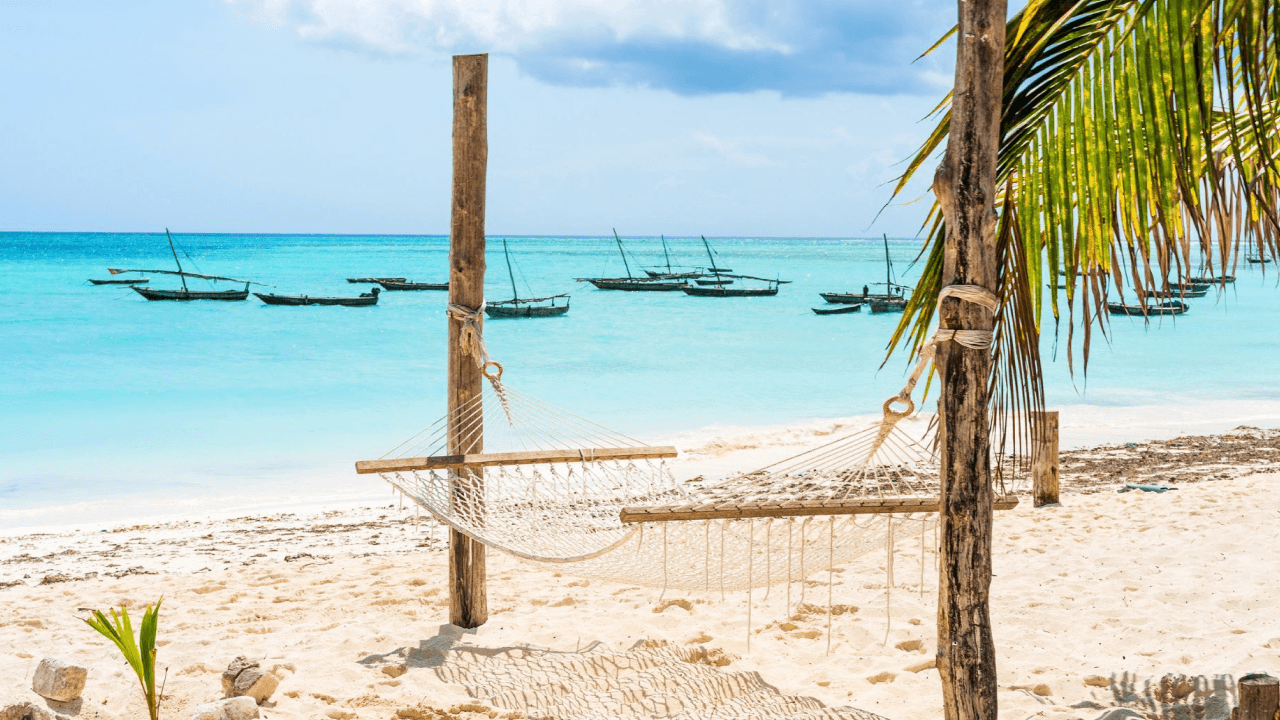
Buying property in Zanzibar as a foreigner is entirely possible – but it works on a leasehold system rather than outright freehold ownership. Zanzibar’s laws make it clear that all land is ultimately owned by the state, yet non-citizens can securely invest in real estate through long-term leases. In fact, foreigners are granted up to 99-year leasehold titles (in renewable blocks) that give nearly all the rights of ownership. This article breaks down the legal basics of Zanzibar’s property regime, explaining how the 99-year leasehold works and why it offers security and longevity comparable to owning a home outright.
All Land in Zanzibar is State-Owned
Under Zanzibar’s Constitution and Land Tenure Act, land cannot be privately owned in perpetuity – it is held by the government in trust for the people. In practical terms, Zanzibari citizens may be given a Right of Occupancy (a perpetual or long-term right to use a piece of land), but even they do not own the land itself. All natural land, whether occupied or not, is legally vested in the President of Zanzibar on behalf of the public. This means freehold title (absolute ownership) is not available to anyone, and especially not to foreigners. Foreign individuals – including even Tanzanian mainlanders – cannot be directly granted a Right of Occupancy or freehold interest in Zanzibar land.
However, this does not mean foreigners are shut out of Zanzibar’s property market. The law provides mechanisms for non-citizens to hold long-term leasehold interests in land and real estate. Essentially, while you as a foreigner cannot own the land outright, you can own the rights to use the land (and any buildings on it) for an extended period – almost as if you were an owner. These rights are secured through a government-granted lease.
How Foreigners Can Buy Property in Zanzibar (Leasehold System)
Yes, foreigners can buy property in Zanzibar – but only on a leasehold basis. If you purchase a house, villa, or apartment as a non-citizen, what you acquire is a long-term lease from the government (often called a Right-of-Occupancy lease) rather than fee simple ownership of the land. Zanzibar’s legal framework was updated in 2010 to facilitate this: the landmark Condominium Act No. 10 of 2010 explicitly allows both locals and foreigners to purchase residential units under a leasehold arrangement.
Under current law, a foreign buyer is typically granted a 99-year leasehold title, registered in their name. This long lease is usually structured in phases – commonly 33 years at a time, renewable three times to total 99 years. It’s recorded on an individual title deed issued by the Zanzibar Land Commission under the Condominium Act framework. In other words, when you “buy” property as a foreigner, you receive a title document for a 33-year lease that can be extended up to 99 years in total through renewals. This arrangement recognizes that the government remains the ultimate landowner, but you hold a transferrable long-term interest in that property.
It’s worth noting that Zanzibar’s leasehold model is not unusual – many countries use leaseholds (for example, former British territories where land could only be held on long leases). In Zanzibar’s case, only the government can own land outright, so foreign buyers lease the land but own the home or unit on that land. You will pay a modest annual ground rent to the government as the landowner, but otherwise you have full control to use and enjoy the property. This system strikes a balance: it protects Zanzibar’s sovereignty over land while still allowing international investors to secure long-term property rights.
99-Year Leasehold Terms Explained
The standard term for a foreign purchaser’s lease in Zanzibar is 99 years, which is generally the longest lease available. To break it down further:
- Initial Term: When you first acquire the property, the government typically grants a 33-year lease term. This is the first phase of your Right of Occupancy lease.
- Renewal Phases: The lease is renewable for additional 33-year periods. In practice, after the first 33 years, you (or whoever owns the property at that time) can apply to renew for another 33 years, and again for a third term, adding up to 99 years total. These renewals are usually a formality as long as you comply with any lease conditions (such as paying annual ground rent and using the property in accordance with zoning).
- Total Duration: Effectively, you have control of the property for up to 99 years. A 99-year horizon is so long that it often exceeds a person’s lifetime – which is why this leasehold is frequently described as “near-perpetual.” In fact, officials note that because 99 years is longer than a human lifespan and the lease can be inherited by your heirs, it practically “equals ownership” in its duration.
Importantly, this leasehold interest is secured by a registered title deed in your name. The Zanzibar Land Commission will issue an official Title (for a condo unit) or a Government Lease certificate (for land/villa purchases) reflecting your rights to the property for that term. Having a registrable title gives you legal certainty – your leasehold is recorded in public records just like a normal property deed.
What Happens After 99 Years?
Buyers often ask, “What happens when the 99-year lease is up?” The short answer is that you will have the option to renew the lease even beyond 99 years, subject to government approval at that future time. Zanzibar’s laws allow leases to be extended, so in theory the leasehold can continue for as long as needed (some historic leases have been rolled over in the past). If for some reason a lease is not renewed at expiry (a rare scenario), the rights to the land would revert to the government as the ultimate owner – but keep in mind, by that time a century will have passed. In practice, owners can apply for extensions well before expiration. And throughout the 99-year period, you remain free to sell or transfer your lease to someone else, so you’re not locked in personally for 99 years (more on resale rights below).
Rights of a 99-Year Leaseholder in Zanzibar
One reassuring aspect of Zanzibar’s system is that holding a 99-year lease gives you nearly all the same rights as a freehold owner during the term of the lease. Once your leasehold title is registered, you as the leaseholder have the legal right to:
- Live on the property as your residence or use it as a vacation home, without any additional permits needed.
- Rent out the property to earn income – for example, you can lease it to tenants or offer it as a holiday rental (short-term lets like AirBnB are allowed under the same rules that locals follow).
- Resell the property to any eligible buyer (local or foreign) by transferring the remaining lease term. The new buyer simply steps into your shoes on the lease, with the same right to renew it up to the 99-year maximum.
- Bequeath the property to heirs in your will. The leasehold interest is inheritable, meaning your children or chosen beneficiaries can inherit the remaining lease term and even renew it for further terms.
In practical terms, owning a property on a registered 99-year lease in Zanzibar feels very much like true ownership. You can renovate or improve the home (subject to local building regulations) and you can enjoy the profits if you decide to rent or sell. The title deed issued to you is protected and even automatically inheritable by law. As one local property lawyer explained, you have the liberty to renew the lease when it’s due to expire, and because the lease duration is so long and can pass to the next generation, it’s essentially equivalent to outright ownership in its benefits. The only real distinction is that you must pay a nominal annual land rent to the government (since the government remains the landowner) and acknowledge the ultimate ownership of the soil rests with the state.
Crucially, these rights are enshrined in law. The Condominium Act 2010 and related land laws guarantee that as long as you follow the rules (for instance, using the land for the approved purpose and paying any due fees), your leasehold cannot be arbitrarily taken away. Even in the highly unlikely event of the government needing to reallocate land for public interest, the law requires fair compensation at market value. Thus, foreign leaseholders enjoy strong legal protection. Zanzibar is actually noted as one of the few Indian Ocean destinations where outsiders can hold property with such genuine long-term security.
Obtaining a 99-Year Lease: The Process for Foreign Buyers
How does a foreign investor go about securing this leasehold title? There are two main avenues, both of which involve government oversight to ensure the transaction is lawful and protected:
- Buying in a Condominium Development: The simplest route is to purchase a unit (villa or apartment) in an approved condominium project. Many new developments in Zanzibar are set up under the Condominium Act. When you buy such a unit, the developer (who typically holds the master lease to the land) will facilitate the issuance of an individual 99-year lease title in your name for that unit. You don’t need to form a local company or anything – you as an individual become the registered leasehold owner of the property. The sale must be registered with authorities, and a title (Unit Title) is granted to you, reflecting your 99-year leasehold interest. This title deed is what gives you the right to occupy, rent, sell, or bequeath the unit. Purchasing through a condo scheme is streamlined because the project is already vetted for foreign ownership.
- Leasing a Plot or House via a Company: If you wish to buy a standalone house on its own plot (not part of a condo complex) or raw land to build on, foreigners usually do so by establishing a Zanzibar-registered company (often a special purpose vehicle) that will hold the lease. The company (which can be 100% foreign-owned in Zanzibar) applies for a Government Lease of the land, up to 99 years, through the Zanzibar Investment Promotion Authority (ZIPA) and Land Commission. Once approved, the company holds the leasehold title, and you hold 100% of the shares of the company – effectively giving you control of the property. This route involves more steps (business registration, meeting minimum investment amounts, etc.), but it enables foreign purchase of non-condo properties. In both cases, whether direct condo purchase or via a company, every foreign property transaction must get a “No Objection” clearance from ZIPA and be registered with the Land Commission. These approvals ensure the deal meets investment and legal criteria. After that, the 33-year renewable lease is issued and registered, and you have the same 99-year tenure as any other owner.
It’s important to emphasize that these requirements (ZIPA approval, etc.) are procedural safeguards. Once you have your title deed in hand, you fully enjoy the property rights described earlier. The government’s involvement is primarily at the acquisition stage – to vet the investment and formally grant the lease. After issuance, your leasehold is secure and transferable just like any other property right.
Leasehold vs. Freehold: Security and Longevity
Some buyers initially feel uneasy when they hear “leasehold” instead of “freehold.” However, in Zanzibar’s context, the 99-year leasehold system is designed to offer security and longevity comparable to freehold ownership. A 99-year term is effectively as good as owning the property for life, and then some. Moreover, because the lease can be renewed or passed on to one’s heirs, the property can stay in your family for generations under this system.
Legally, Zanzibar’s framework gives leaseholders confidence. Your rights to use, profit from, and dispose of the property are firmly established. The constitutional and statutory protections against arbitrary deprivation of property apply to leasehold interests just as they would to freehold. In everyday terms, if you buy a villa with a registered lease, no one can revoke your lease without due process or compensation, and you can treat the villa as truly “yours” within the lease period. Many other countries (including England and Wales, parts of Asia, etc.) also use long leases, so this concept is a well-tested one internationally. Zanzibar has embraced it to allow foreign participation in real estate while keeping actual land ownership national.
The key takeaway is that as a foreign buyer you shouldn’t be deterred by the lack of freehold. Practically, a registered 99-year lease in Zanzibar gives you the same bundle of rights you’d expect if you owned property outright – the difference is mostly on paper (with the state as the ultimate landlord). From living in your home, to renting it for income, to selling it at a profit, you have full control. The government leasehold structure is simply the legal vehicle that makes it possible for you to own property interests in Zanzibar despite the no-freehold rule.
Additional Benefits for Foreign Property Investors
Beyond the ability to own a long-term leasehold, Zanzibar provides some extra incentives and assurances to foreign investors in real estate:
- Residence Permits: Purchasing property can qualify foreigners for residency status in Zanzibar. Under recent regulations, non-citizens who invest at least US $100,000 in property within a ZIPA-approved development are eligible for a renewable residence permit for themselves, their spouse, and up to four children. This “property investor residence permit” (sometimes informally dubbed a Golden Visa) lets you live in Zanzibar for an initial period (often 2 years, renewable) as long as you maintain the investment. It’s a significant perk for those looking to spend part or all of the year enjoying their new island home.
- Stable Investment Climate: The introduction of the 2010 Condominium Act and ongoing government support for foreign investment signal a stable and welcoming climate. The laws are transparent about foreigner rights and obligations, so you know exactly where you stand. For example, the Condominium Act established a regulatory board and clear rules so that foreign buyers get “a clear title deed in Zanzibar” with inheritable rights, which greatly boosts confidence. The government’s stance is that attracting foreign investors in property will benefit Zanzibar’s economy, so the legal system is oriented to make it a win-win (with measures like long leases, investment protections, and tax incentives for approved projects).
In short, if you do your due diligence and follow the legal process, Zanzibar offers a very favorable setup for foreign property ownership by regional standards. Many tropical destinations outright prohibit foreign land ownership – but Zanzibar has crafted a mechanism to allow it via leaseholds, without compromising its land ownership principles.
Conclusion
While freehold ownership isn’t available to foreigners in Zanzibar, the 99-year leasehold system provides nearly equivalent privileges and peace of mind. You can buy a dream beach villa or a stylish apartment on this spice island and enjoy full use of it, earn rental income, resell it, or pass it on to your children – all under the protection of a long-term title registered in your name. The leasehold is renewable and backed by law, giving you a stake in Zanzibar that is secure for decades.
All land being state-owned might sound restrictive at first, but Zanzibar’s forward-thinking laws (especially the 2010 condominium legislation) ensure that foreign buyers receive long-lasting property rights. The phrase “99-year lease” really means you have a home for life and beyond, with legal safeguards comparable to any ownership right. For investors and homebuyers eyeing Zanzibar’s real estate, the message is reassuring: you can own property here in all but name, and confidently so. The exotic isles of Zanzibar welcome you not just as a tourist, but as a long-term property holder – under a leasehold title that truly lets you call a piece of paradise your own.

