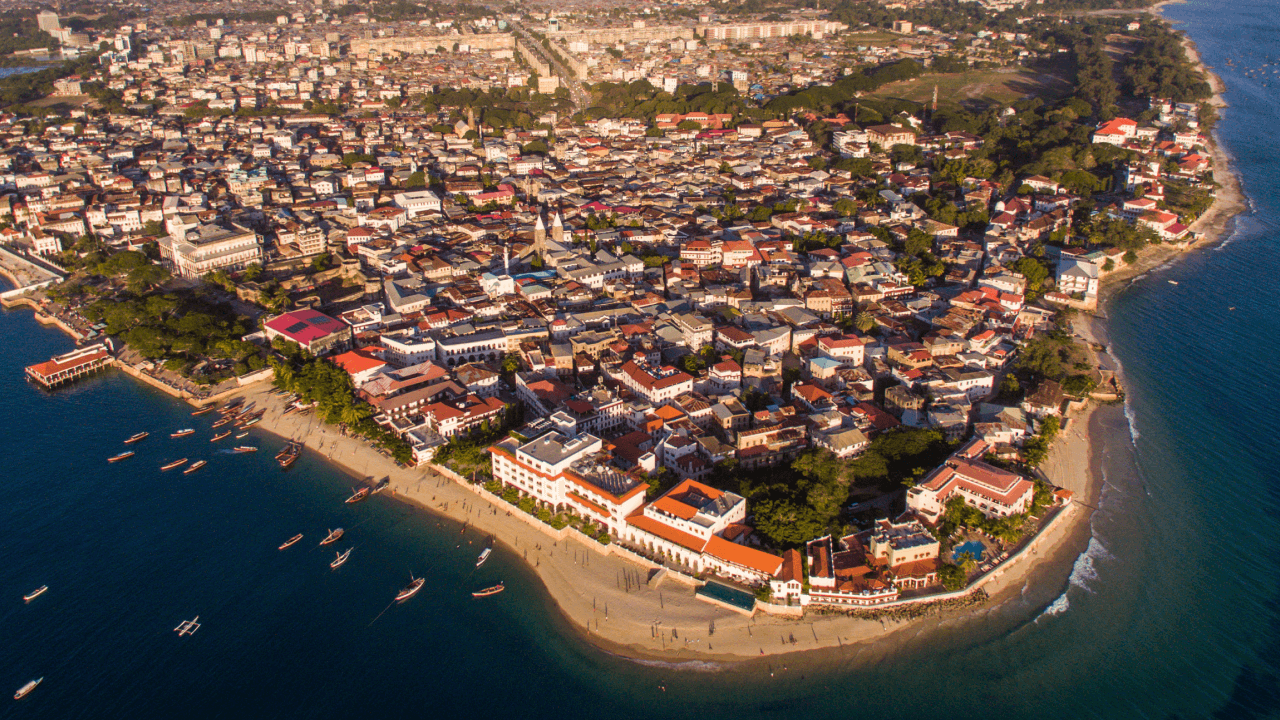
Investors and expats eyeing Zanzibar real estate often find themselves torn between two very different island lifestyles: a beachfront villa in a resort area versus a historic Stone Town apartment. Each option has its own appeal – from turquoise ocean views to UNESCO World Heritage charm – along with distinct rental markets and investment dynamics. This guide compares the pros and cons of owning a resort-area beach villa versus a Stone Town apartment, helping you decide which Zanzibar property is right for your goals. We’ll explore how each fits different lifestyles, the rental audience you can expect, and key factors like cost, returns, and appreciation in Zanzibar’s booming property market.
Beachfront Villas – Tropical Resort Living
Owning a villa by the beach means waking up to the sound of the Indian Ocean and stepping onto powder-white sand. Zanzibar’s coastline is dotted with popular resort hubs like Nungwi in the north and Paje on the east coast, where beachfront and “beach-adjacent” properties command premium prices. Luxury villas in these areas typically sell for around $2,200–3,000 per square meter (and higher for ultra-premium spots), reflecting their coveted resort location. In exchange, investors get year-round paradise at their doorstep – swaying palms, private pools, and direct access to Zanzibar’s famed beaches.
Lifestyle: A beachfront villa offers a laid-back, vacation-like lifestyle. You can enjoy water sports, snorkeling or kitesurfing by day and oceanfront barbecues under the stars by night. Areas like Paje have a vibrant expat and digital nomad community centered around the beach, surf culture, and nightlife. If you crave tranquility, east coast beaches like Bwejuu or Michamvi are quieter, focused on nature and privacy. However, keep in mind that coastal villages have fewer urban amenities – you won’t find large supermarkets or hospitals next door. As one expat guide notes, Stone Town offers more services and infrastructure, whereas coastal areas provide the beach lifestyle “but fewer services” in day-to-day life. Many resort developments are self-contained (with on-site restaurants, security, etc.), but living on the beach full-time means adapting to a slower pace and using a car or taxi for trips into town.
Rental Audience: Beach villas primarily attract holidaymakers and short-term vacation renters. Think tourists on a one- or two-week tropical getaway, honeymooners, or families seeking a private retreat. In Zanzibar’s record-setting tourism market, these villas can yield impressive returns during high season. Gross rental yields of 12–15% are common for well-located beachfront villas, outpacing most urban rentals. Demand is fueled by Zanzibar’s booming visitor numbers and limited supply of high-end rentals. For example, in popular Nungwi, a newly built six-bedroom villa (300 m²) near the beach was listed at $436,000 (about $1,855/m²) and is expected to rent strongly – “well-managed stock rarely sits vacant for long” due to year-round tourist appeal. Owners often hire local management or partner with resorts to rent out the property as a holiday villa. The typical renter is a short-term guest, so expect frequent turnover but premium nightly rates. This short-let strategy can maximize income, especially if you market to international tourists on platforms like Airbnb or through tour operators.
Investment Performance: Beach villas come at higher price points but offer the lure of robust income and appreciation. Coastal properties in Zanzibar’s prime areas have seen double-digit annual price growth in recent years. From 2019–2024, east coast resort zones (like Paje) saw around 12% compound annual growth in property values, versus ~6–7% in Stone Town. This reflects the hot demand for beach locations and the finite nature of oceanfront land. Rental yields are also higher on average: a market analysis for 2025 found villas fetching 12–15% gross yields, while well-situated urban apartments delivered about 10–12%. In practice, some new resort projects even advertise ROI figures above 15% in rental programs. The trade-off is seasonality – tourist occupancy fluctuates with high and low seasons. Data shows island-wide hotel bed occupancy swinging from ~92% in peak holiday months to under 50% in the low season. As an owner, you may enjoy great cash flow in summer and winter peak periods, then see a dip during the spring rains. Savvy investors plan for these swings, sometimes securing medium-term tenants in off-season or adjusting rates to maintain occupancy. The bottom line: a beachfront villa is a higher-risk, higher-reward play geared to the tourism sector.
Pros of Beachfront Villas:
- Idyllic Lifestyle & Personal Enjoyment: You’re buying not just a property but a slice of paradise. From morning swims to sunset ocean views, the lifestyle benefits are unparalleled for those who love the sea and sun. It doubles as your own holiday home in Zanzibar.
- High Rental Income Potential: Tourist demand for beach villas translates to strong rental yields. Well-managed villas in Paje or Nungwi can gross around 12–15% annually, and occupancy hits peak levels in high season (often fully booked during holidays). Pairing the villa with concierge services or all-inclusive options can further boost nightly rates.
- Capital Appreciation: Resort-area property has shown robust capital growth (historically ~10–12% annually in prime coastal spots) thanks to limited beachfront supply and ever-growing tourism. Over time, a beachfront villa can appreciate significantly, offering a chance at both rental income and equity gains.
- Modern Amenities in New Developments: Many villas are in gated communities or new projects with added perks – think pools, gyms, restaurants, and professional management. This can make ownership more turnkey. For example, Vela Paje Zanzibar is a new development 300 meters from Paje Beach offering contemporary villas and apartments with resort-style facilities. Such projects let investors enjoy a beach lifestyle with the convenience of on-site services in a secure compound.
Cons of Beachfront Villas:
- Higher Purchase Cost & Fees: Beach villas typically require a larger upfront investment. Not only are price per square meter higher on the coasts, but you may need to budget ~10–12% extra for closing costs, furnishing, and Zanzibar’s 5% transfer tax. High-end villas can run into the hundreds of thousands of dollars, which may be out of reach for some investors.
- Seasonal Variability & Management Demands: Income can be seasonal. You’ll need to manage or outsource the rental operation actively – handling guest turnover, marketing, and maintenance (or pay ~15–20% to a local agent for full-service management). If tourism dips or during rainy months, occupancy and cash flow can drop, so there’s a reliance on the travel market’s health.
- Fewer Urban Conveniences: Living on the beach means a more remote setting. Daily shopping, major hospitals, or international schools are mostly located in Zanzibar City (Stone Town) or larger towns. Expats in villas often accept that they will travel for certain services. Coastal infrastructure is improving (even new airports are planned in Paje and Nungwi), but you may not have the same convenience as a city apartment. Power and internet, while much better now, can still be less reliable in villages than in town.
- Regulatory and Environmental Factors: Beachfront land in Zanzibar is leasehold (like all land) and comes with rules – for instance, a setback from the high tide line. Erosion and tides can also impact beachfront properties over the very long term. Additionally, some coastal areas are under development control to preserve the environment, which could limit future expansion or modifications.
Stone Town Apartments – Heritage & Urban Charm
In contrast to the quiet beaches, Stone Town offers a completely different Zanzibar experience. This historic quarter of Zanzibar City is a UNESCO World Heritage Site known for its winding alleys, ornate Zanzibari doors, and vibrant markets. Owning a property here often means acquiring a piece of history – such as a restored Arab townhouse apartment with high ceilings and exposed coral-stone walls. Stone Town apartments generally represent the island’s most affordable entry point for buyers. Fresh 2025 data shows apartments in the old town core listing around $1,000–1,500 per square meter, substantially lower than beach resort prices. Even fully renovated “move-in ready” flats in prime Stone Town rarely exceed $3,000/m². The lower price point makes Stone Town attractive for investors with a smaller budget or those looking for value appreciation through renovation of a heritage unit.
Lifestyle: Choosing Stone Town means immersing yourself in Zanzibar’s cultural heart. Residents can stroll to cafes, galleries, and restaurants serving a mix of Swahili, Arabic, and Indian cuisine. The atmosphere is richly historic – imagine walking out of your door to find live taarab music in the square or a festival at Forodhani Gardens. For expatriates or retirees, Stone Town provides a social, walkable environment: you’re steps away from markets, banks, and services (the city has paved roads, reliable utilities, and even modern amenities like gyms and cinemas in greater Zanzibar City). You won’t have a private beach (the nearest swimmable beaches are 20-30 minutes drive away), but many seafront Stone Town buildings offer ocean views and rooftop terraces to enjoy the sea breeze. Urban conveniences are a big plus – you have easy access to healthcare facilities, international schools, and the airport (about 15 minutes away) for travel. The trade-off is a denser environment: noise from calls to prayer, the hustle of daily commerce, and the reality of living in a historic but busy quarter. Some foreigners find Stone Town “busy with not much to do” long-term compared to beach life, while others love the authenticity and find plenty of cultural activities. It really depends on whether you thrive in a city-like setting or prefer open space. If you plan to work remotely, Stone Town has the advantage of more stable internet and numerous cafés to work from; indeed, many digital nomads choose Stone Town for its “vibrant mix of culture and reliable work spots” over the beach villages.
Rental Audience: A Stone Town property can tap into a different segment of renters. Long-term tenants such as NGO workers, embassy staff, or local professionals often base in Stone Town, preferring the convenience and cultural scene. These tenants might sign leases for 6–12 months or more, providing steady income. Monthly rents for a one-bedroom in the city center range from roughly $400–700 depending on size and finish. Another growing audience is the digital nomad and expat community – remote workers who want to live in Zanzibar for a few months and appreciate being near co-working spaces, restaurants, and the airport. As noted in a market report, “demand [for Stone Town flats] stems from long-stay consultants, NGO staff and digital nomads who prefer walkable culture over resort life.” This results in a rental season that is less volatile than the tourist-centric beach market. Even when tourist arrivals slow, there are usually expats or local renters seeking housing, smoothing out occupancy.
Stone Town is also on the itinerary of virtually every tourist, which means short-term rentals (Airbnb-style) can do well, especially for travelers who want a few nights in town to explore history before or after hitting the beaches. A charming, well-reviewed apartment in Stone Town can command high nightly rates during peak season due to its unique character. Some investors successfully operate boutique vacation rentals in Stone Town, though they face competition from the many small hotels and converted mansions in the area. Overall, you have flexibility: you might rent long-term for stable income or do short-term rentals to potentially increase yields, or even mix the two by renting to tourists in high season and securing a mid-term tenant in low season.
Investment Performance: Stone Town real estate has a strong long-term story, albeit with more modest metrics than beachfront. Because the historic core is protected and new construction is extremely limited, supply is tight – many buildings are family-owned for generations and few are available on the market at any given time. This scarcity can drive up prices for desirable restored units. On average, Stone Town saw about 6–7% annual price appreciation from 2019–2024. While that’s lower than the beach hotpots, it still beats inflation and offers steady growth. Some fully renovated properties have jumped in value as Stone Town gentrifies; however, refurbishment in the UNESCO zone can be challenging (permits and skilled restoration work are required, so timelines are longer). For rental yields, a heritage apartment might gross around 6–8% annually in pure rental yield if rented long-term. If you target short-term holiday rentals, you might achieve nearer 10% (with more effort). One advantage is consistency: “Restored flats inside Stone Town’s UNESCO zone trade at lower prices but still post 6–8% yields… The rental season is less volatile, smoothing monthly cash flow.” In an environment where Tanzanian mortgage rates are ~15–17%, that stable cash flow can be a boon for financed buyers. Another plus: entry prices are lower, so your absolute rental income relative to investment can be healthy. For example, $150,000 could buy a characterful two-bedroom apartment, which might be hard to find in many other international markets. As Zanzibar’s tourism grows, some of that benefit will spill into Stone Town as well (more visitors interested in culture-focused stays, more expats moving in), so there is upside beyond the raw numbers.
Pros of Stone Town Apartments:
- Cultural Immersion & Urban Convenience: You gain a home in a living museum – everyday life in Stone Town is enriched by history, music, art and cuisine. From an ornate balcony, you can watch the city’s rhythms and truly feel part of Zanzibar’s community. Practically speaking, you’re also close to banks, shops, markets and services that make daily life easy. This can be ideal for year-round living or hosting tenants who want an authentic experience.
- Affordability and Value Growth: Stone Town offers more accessible price points. Heritage apartments often cost a fraction of a beachfront villa, enabling investment with a smaller budget. Yet they have solid appreciation potential because of limited supply and historic appeal – “renovated heritage condos remain Zanzibar’s best-value play for capital appreciation”. You might buy a fixer-upper at a low price and add value through renovations as well.
- Steady Rental Demand: The pool of long-term renters (expats, NGO staff, etc.) provides consistent demand that isn’t as season-dependent. This means fewer empty months and predictable income. Even during off-peak tourist months, you can have someone in your apartment. Plus, if tourism is a goal, Stone Town’s year-round attractions (culture, business travel hub, etc.) keep a baseline of visitors coming.
- Easier Day-to-Day Management: Managing a Stone Town rental can be simpler than a remote villa. Property managers, cleaning services, and maintenance personnel are readily available in town. If something breaks, it’s a quick trip for a technician. As an owner, you or your representative can inspect the property more frequently since it’s in the city. The “lock up and leave” factor is high, especially in secure apartment buildings or complexes.
Cons of Stone Town Apartments:
- No Beachfront or Outdoor Space: By choosing the city, you sacrifice the immediate beach access and private outdoor space that villas provide. There are waterfront parks and a small beach by town, but it’s not the postcard swimming beach many imagine. If you dream of a big garden, private pool, or stepping off your porch into sand, a Stone Town apartment won’t offer that – you’ll be in an urban environment with possibly a shared courtyard or rooftop at best.
- Older Properties & Maintenance: Many Stone Town buildings are 100+ years old. While full of character, they come with maintenance challenges. Structural repairs, plumbing updates, or dealing with woodwork (those beautiful Zanzibari doors!) can be ongoing concerns. Renovating in a UNESCO World Heritage Site requires adherence to guidelines and can take longer due to conservation rules. Owners should be prepared for higher upkeep costs and the occasional quirk of an old building.
- Limited Parking and Space: In the maze-like Stone Town streets, cars cannot access many lanes. Parking is scarce, which can be an inconvenience if you have a vehicle (though one can argue you don’t need one for daily life in town). Apartments themselves might be smaller in size or oddly laid out compared to modern builds, given they are conversions of historical structures. High demand and tight inventory also mean “well-priced stock trades quickly” – finding the right unit can be tough and competitive.
- Moderate Yields and Appreciation: While steady, the returns in Stone Town are generally a bit lower than beachfront investments. Gross yields in the mid-single digits (6–8%) mean your profit margin might be slimmer if you have financing costs or management fees. Price appreciation, historically ~6–7% per year, is healthy but not the rapid growth seen in some resort areas. If your goal is maximizing returns in the shortest time, Stone Town is a slower burn. It’s a trade-off of stability vs. high growth.
Making the Right Choice: Which Zanzibar Property Suits You?
Ultimately, the decision between a beachfront villa and a Stone Town apartment comes down to your personal priorities and investment strategy. Here are a few key considerations to help you decide:
- Lifestyle Preference: Envision your ideal day-to-day life (or the experience you want to offer renters). If it’s serene mornings on the beach, island hopping, and a private poolside afternoon, a Zanzibar villa for sale in a resort area will align with that vision. If instead you love being able to walk to a café for morning coffee, chat with neighbors in a historic square, and soak up culture, a Stone Town apartment plays to those interests. Consider what environment you or your target tenants would enjoy more. Some investors eventually plan to retire in Zanzibar – if you see yourself living here, imagine which setting feels like “home” to you.
- Investment Goals – Income vs. Stability: Are you primarily seeking high rental yields and quick capital growth, or a steady, lower-risk income? For pure investment returns, beachfront properties have historically delivered superior yields and appreciation. They’re ideal if you aim to capitalize on Zanzibar’s tourism boom and don’t mind actively managing rentals (or paying for a management service) to handle frequent guest turnover. On the other hand, Stone Town offers stability – a more predictable occupancy and typically lower management intensity. If you prefer a set-and-forget tenant (e.g. an expat renting for a year) and a dependable cash flow, the urban route might be better. Also factor in entry cost: a Stone Town property might let you diversify or start smaller, whereas a villa ties up more capital but could yield higher absolute income.
- Hybrid Approaches: It’s worth noting you can enjoy a bit of both worlds. Many seasoned Zanzibar hands recommend splitting time between town and beach – and some investors do exactly that by owning property in each. For instance, you could live (or have a long-term tenant) in Stone Town part of the year and use your beach villa as a short-term rental, or vice versa. If buying two properties isn’t feasible, remember that wherever you buy, the other experience is always a taxi ride or short drive away. Stone Town is roughly an hour from popular East Coast beach spots. Some developments also aim to blend these experiences: beachside communities near towns. A great example is Vela Paje Zanzibar, which is a new residential project just 300 meters from Paje Beach – close enough to enjoy the ocean daily, but designed as a village-like community with modern amenities and easy access to Paje’s lively center. Such projects can offer a balance for those who want resort proximity without total isolation.
- Exit Strategy and Market Outlook: Think about resale and the future market. Beachfront will likely continue to be scarce – Zanzibar has only so much coastline, and new supply is limited to a few hundred units in the next couple of years. This could mean continued price rises in resorts if tourism stays strong. Stone Town’s character and UNESCO status ensure it will always have niche appeal, and improvements in the town (renovations, new eateries, infrastructure upgrades) could enhance property values too. Foreign buyer interest in Zanzibar is rising across the board, with government initiatives (like the Blue Economy and promotion of Zanzibar as an investment hub) boosting confidence. It’s not a bad idea to diversify within Zanzibar as well, if possible – but if it’s your first investment, choose the market you feel most comfortable understanding and engaging with.
Conclusion: Both beachfront villas and Stone Town apartments can be rewarding investments – just in different ways. A resort-area villa is your ticket to the postcard version of Zanzibar, monetizing the island’s allure to vacationers. A Stone Town flat ties you into the everyday heartbeat of Zanzibar and a steadier long-term rental base. There is no one-size-fits-all answer; the “right” property depends on whether you’re drawn more to surf or souks, to high-octane returns or reliable gains. Many international investors actually see Zanzibar’s diversity as a strength – you can choose the niche that suits your aims. And no matter which path you take, the overall trajectory of Zanzibar’s property market remains positive. With double-digit tourism growth and limited new development, property values are expected to keep climbing in both segments of the market. As one 2025 market outlook concluded, investors who secure well-located villas or heritage apartments today are positioned to capture both rental income and future value gains as Zanzibar’s global profile grows. In other words, whether you opt for a beachfront paradise or a Stone Town gem, you’ll be investing in a destination on the rise. Here’s to finding the Zanzibar property that feels just right for you – karibu (welcome) to your new island home!

